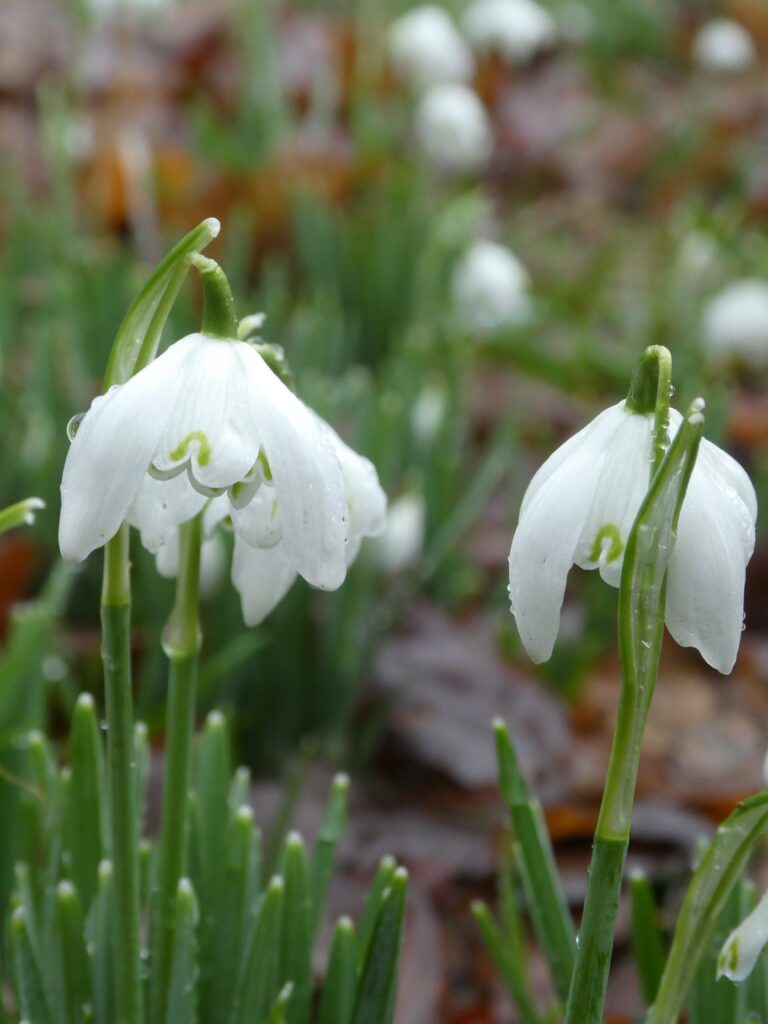
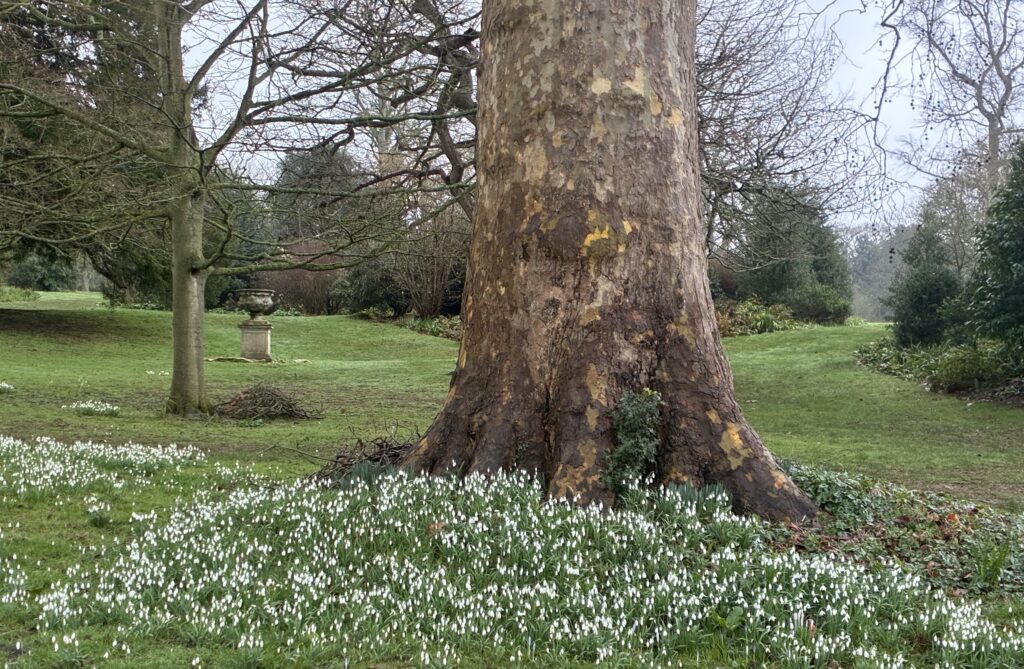
It is the 2nd February, or Candlemas, the date in the church calendar that marks the end of Christmastide and the beginning of spring. And to celebrate my friend, walking companion and expert in all things flora and fauna, Bea Groves has taken me on a jaunt to see Candlemas Bells, more widely known as snowdrops, but so nicknamed after the time of year their delicate drooping heads emerge from the darkness of their frozen winter beds. A great place to see them in profusion, she claims, is not far from Oxford in the gardens of Nuneham House. About which I am secretly thrilled. For this is the resting place of the Carfax Conduit, a proud monument that once stood in the very centre of the city. I’d been keen to take a closer look for ages.
And so it is on a drizzle drenched day we take the main road south towards Henley and soon reach the pretty brick-built cottages of Nuneham Courtenay. A short way into the village a turning on the right leads us up a long track bordered by farmland, past the Bodleian Library’s first ‘book repository’ (their vast collections are now mostly in Swindon) to the grand gates of Nuneham House itself. An impressive Palladian villa of seventy odd rooms, it was built by Lord Harcourt in the mid 1700’s with gardens designed by Capability Brown at one time stocked with exotic animals including emus and kangaroos.
They are still filled with wildlife. We leave the car outside and as we skirt around the house and wander through the wooded parkland pheasants crisscross the muddy path, a woodpecker rat tat tats nearby, a pair of sprightly hares bound away into the undergrowth. We are the only people around.
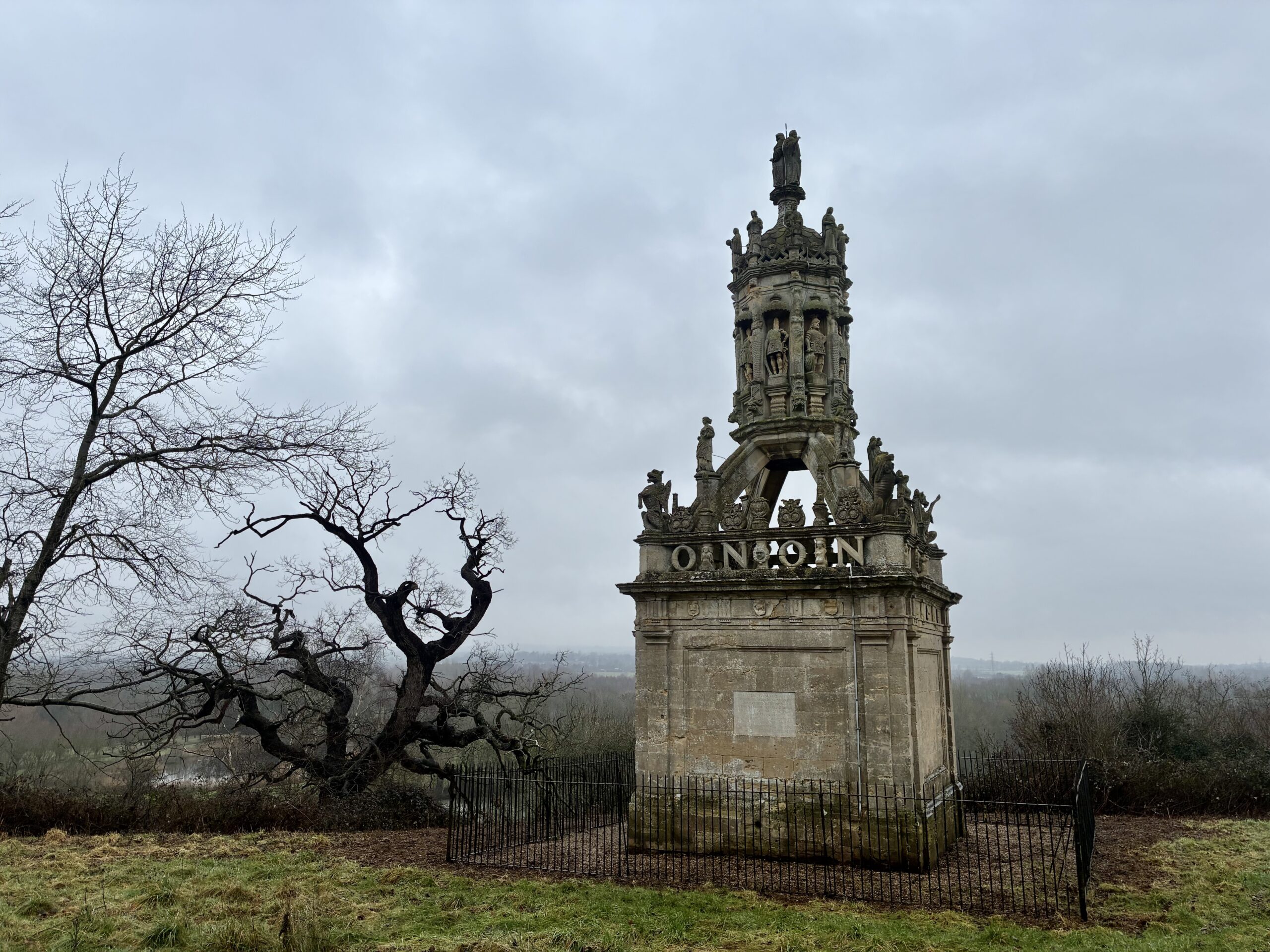
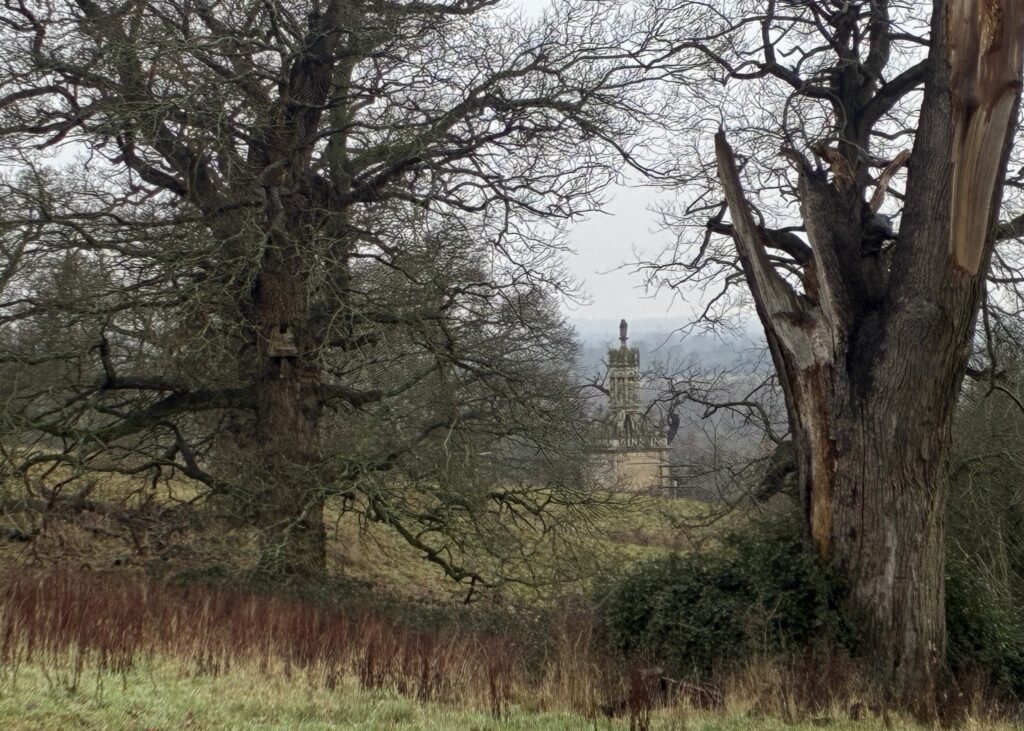
And then suddenly we spot it. The crown of the Carfax Conduit, rising 40 feet up into the sky, just visible through the bare branches of the densely planted oak trees. Five minutes later and we are standing up close. The elaborate stone carved tower perched on high ground with views over low undulating hills; north towards Oxford and west to Abingdon where the slope drops down to the river snaking through the flooded plains below. Even under the gloomy mist filled skies of February it is all rather magnificent.
The Carfax Conduit was part of a 17th century project to supply fresh drinking water from the hills above North Hinksey into the heart of the city. The brainchild of the wealthy lawyer Otto Nicholson, his initials ON are carved into the stonework of the great edifice above me, he used a top London plumber to channel a watercourse along a similar route to that made by the monks of Osney Abbey three centuries earlier, defunct since the Reformation. A huge cistern with a capacity for 20,000 gallons was built into the side of the hill, protected by a stone built stone roofed well-house (still there, also with ON carved above the door and well worth a visit). Fed by the springs above, the water was then taken in lead pipes, encased in hollowed out elm tree trunks where they went under Seacourt Stream and the Thames, to Littlegate, then south of Pembroke College, up Fish Street (now St Aldates) to the central crossroads at Carfax.
Here it fed into two large cisterns, the upper for the University, the lower for the City, and according to one description, cleverly concealed in the body of a carved ox ridden by Queen Maud, ‘wholesome water issuing from his pizzle, which continuously pisses into the cistern underneath.’ On special occasions like the Restoration of King Charles II in 1660, the water was replaced with wine. How very splendid.
Sadly this part of this glorious drinking fountain never made it to Nuneham House, gifted by the City Council in 1787 to Lord Harcourt for his new pleasure gardens. It was a perfect arrangement. He was looking for an eye-catching view for his guests, the City were keen to find a new home for what was deemed an obstacle to traffic. Besides the usefulness of the conduit was by this time superseded by the new waterworks at Folly Bridge, the old pipes from Hinksey broken and silted up. But the elaborate superstructure, once painted and gilded, remains intact before me. And it is extraordinary.
Carved by John Clark in 1617, this was a display of iconography designed to impress. Here are mermaids holding hand mirrors, and statues of the virtues of justice, temperance, strength and learning. Four open arches support an octagon on which stand the statues of eight great kings, including alongside Charlemagne and Julius Caesar, the new King James I in an outburst of flagrant fawning. This was Nicholson’s homage, a piece of showmanship reminiscent of pageantry and masque, modelled in part on the series of triumphal arches built in London to welcome the monarch’s state arrival into the capital.
It still does the job. There is a real majesty to its position high up on hill, the ornate carvings remain handsome despite being weathered. Some may want it back in Oxford, but I like it here. A scenic spectacle, proudly dominating the landscape.
And at this time of year the gardens nearby are indeed as Bea has promised awash with great drifts of rain-bejewelled Candlemas Bells. Their botanical name – Galanthus nivalis – comes from the Greek meaning milk (gala) flower (Anthos) and of the snow (nivalis), and according to one myth were the flowers gifted to Adam and Eve after they were banished from Eden, as a promise of brighter days ahead. They are collectively known as a joy, a nod or a cheer. But my favourite is a hope. A hope of snowdrops under the Carfax Conduit on Candlemas Day. What more could you ask for.
Special thanks to Beatrice Groves for the walk and for the wonderful photographs of Candlemas Bells.
You can find Bea on Twitter: @beatricegroves1
And her posts on Harry Potter and plants here: https://www.hogwartsprofessor.com/beatrice-groves-pillar-post/
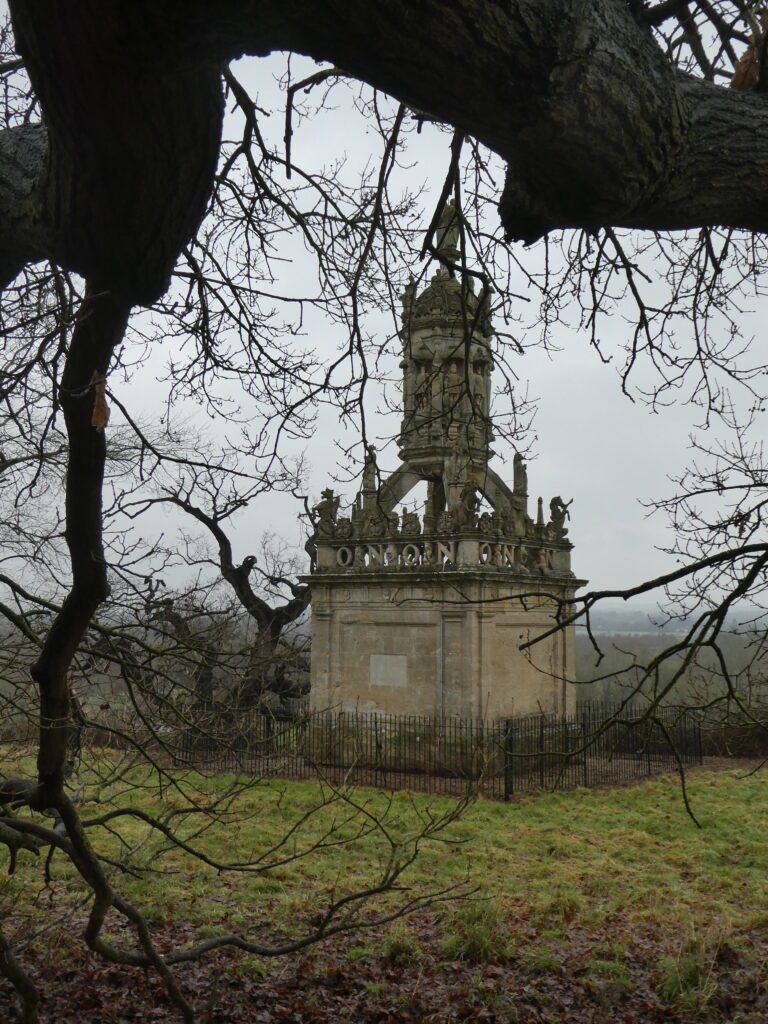
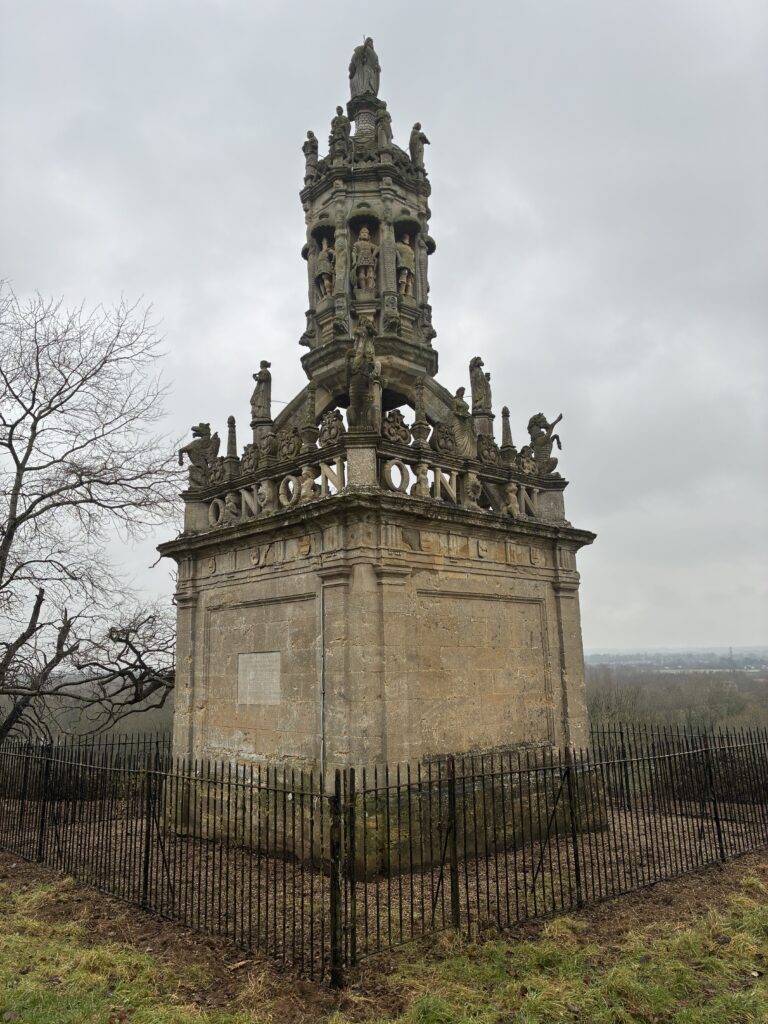
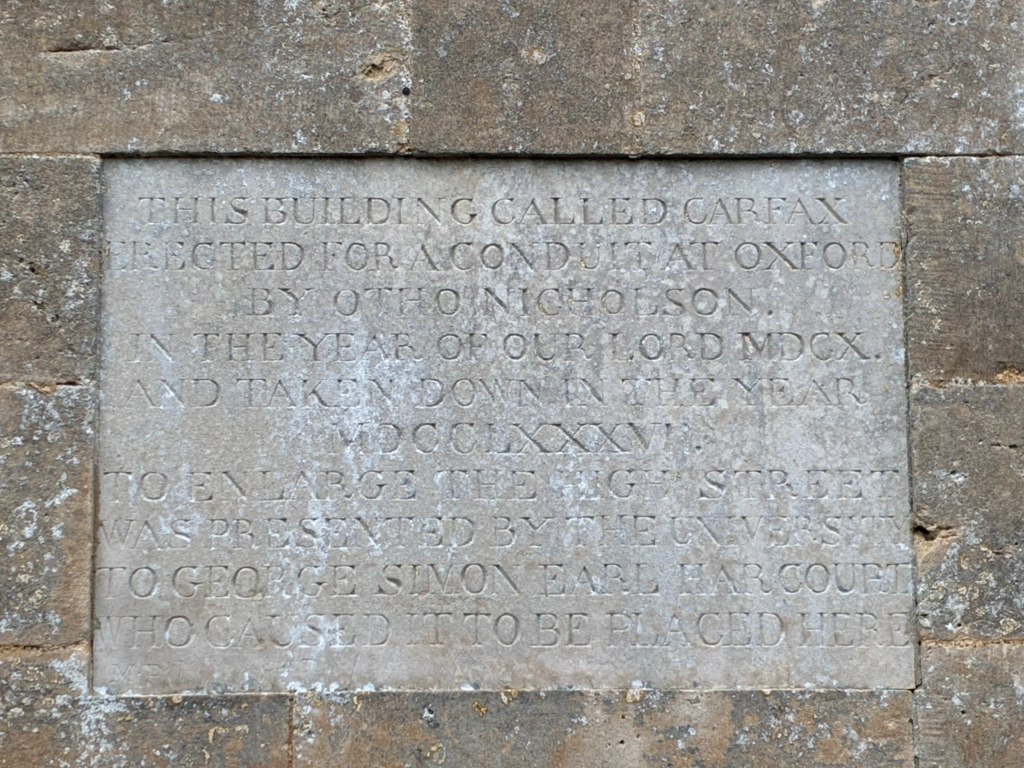
The square base of the conduit is not the original and the two inscriptions, one in English (above) and the other in Latin were made after it was moved to Nuneham. It mistakenly dates the Conduit to to 1610, not 1617 (the VII is missing from the Roman numerals)
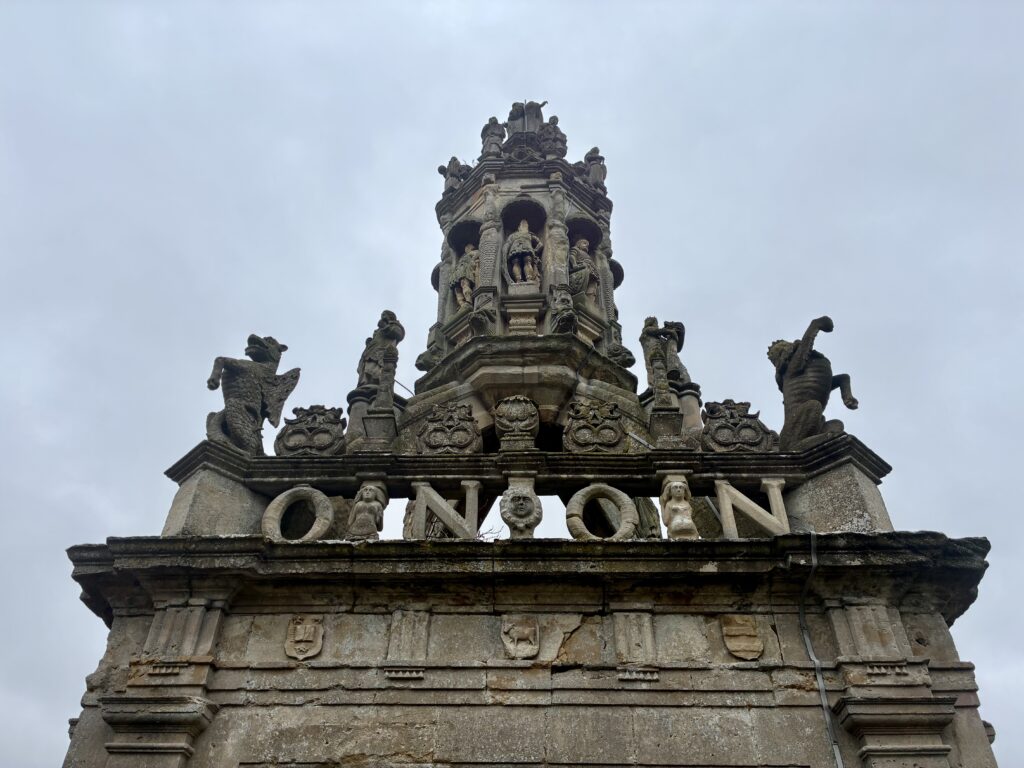
The arms of the University, the City and the founder are carved into the base. The capital letters in the open fretwork are the initial letters of Otto Nicholson, the sun, a rebus, representing his name (son). Mermaids with combs and looking glasses follow the watery theme.
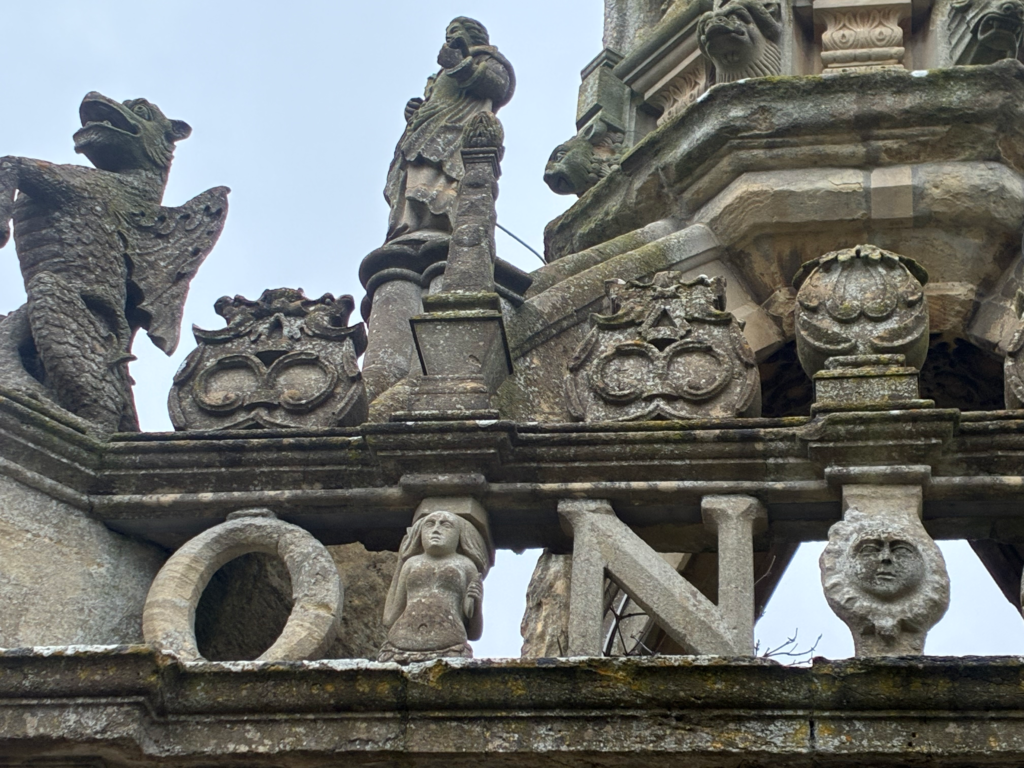
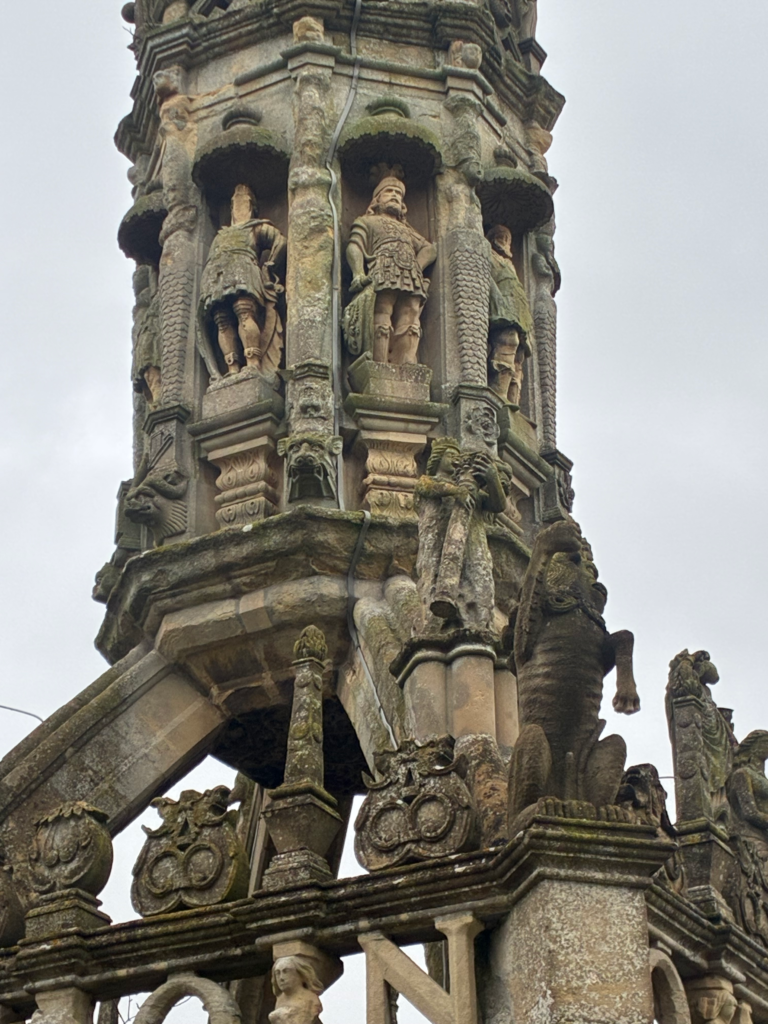
Above the foot of each arch stands a supporter of the royal arms of England. Henry VIII used an antelope, Elizabeth a dragon, and thereafter a lion and a unicorn were used.
Just above stand the four virtues – this is fortitude holding a broken column and a Corinthian capital.
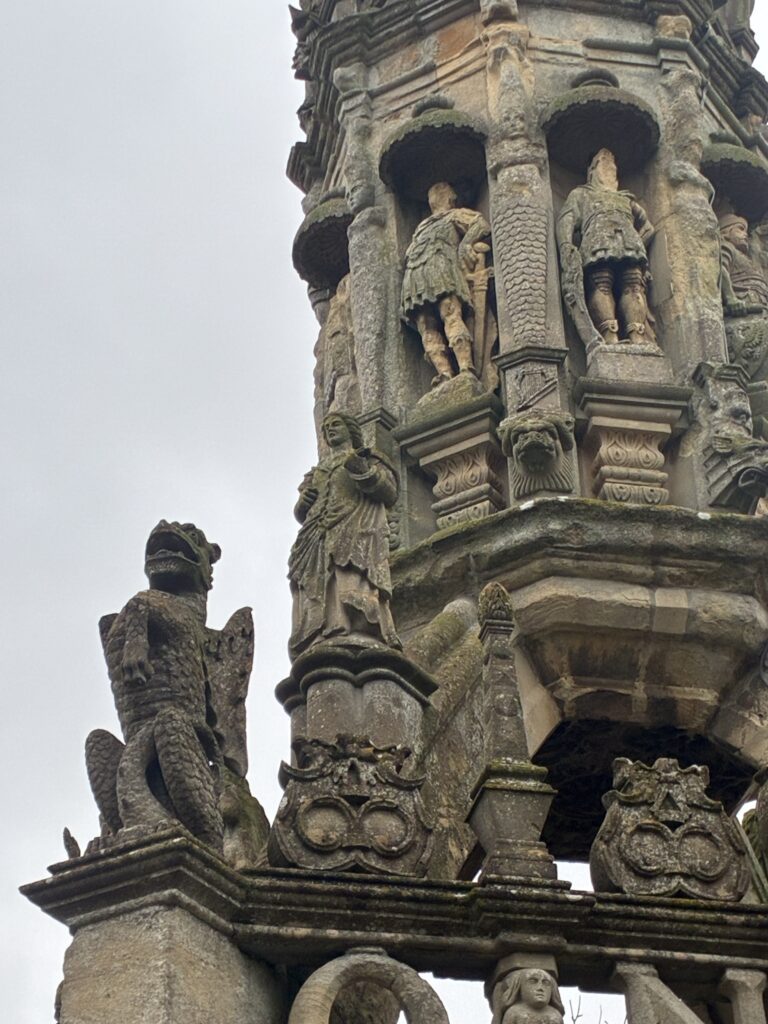
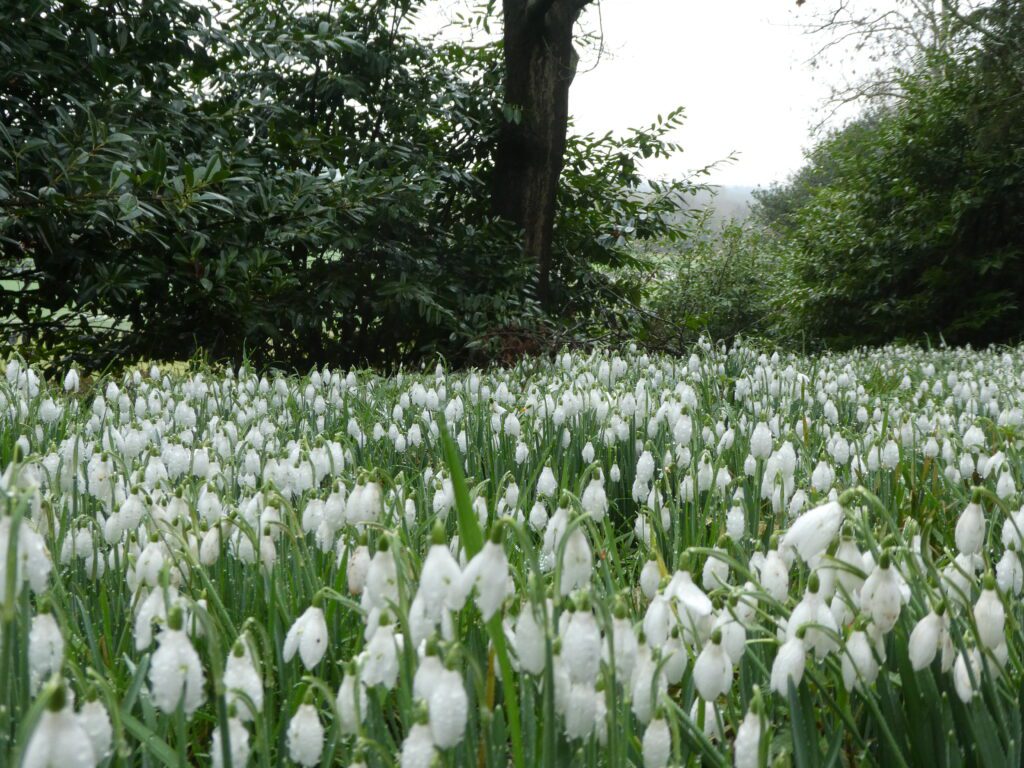
A hope of snowdrops
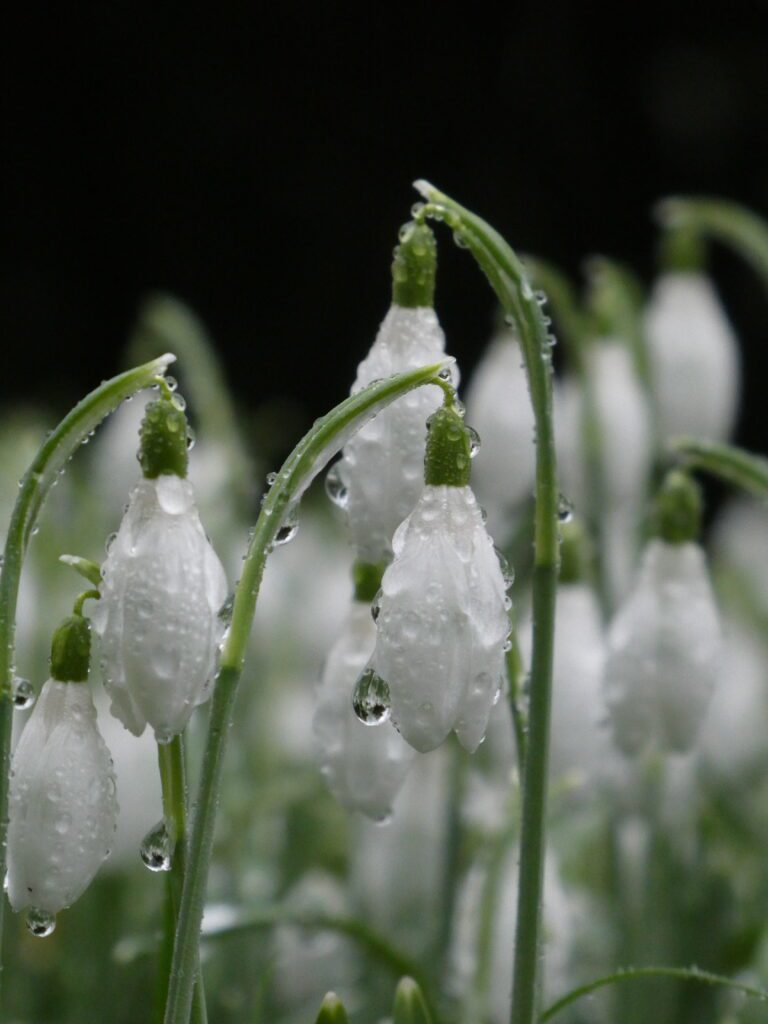
Otherwise known as Candlemas Bells.
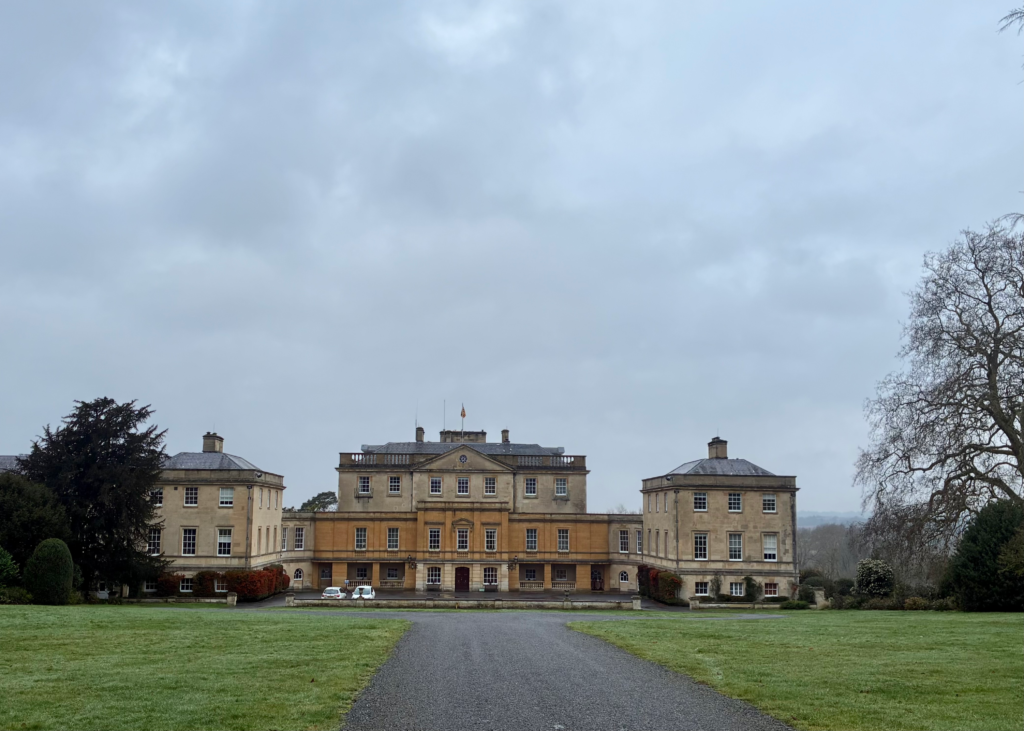
Nuneham House was one of the first houses in England to adopt the Palladian style of architecture. The vision of of Simon Harcourt, 1st Earl Harcourt, who drowned tragically while trying to save his dog from a well in the grounds (the dog, Filou, survived) it remained in the family until 1948 when the estate was sold to Oxford University. The house is now leased as a Global Retreat Centre.
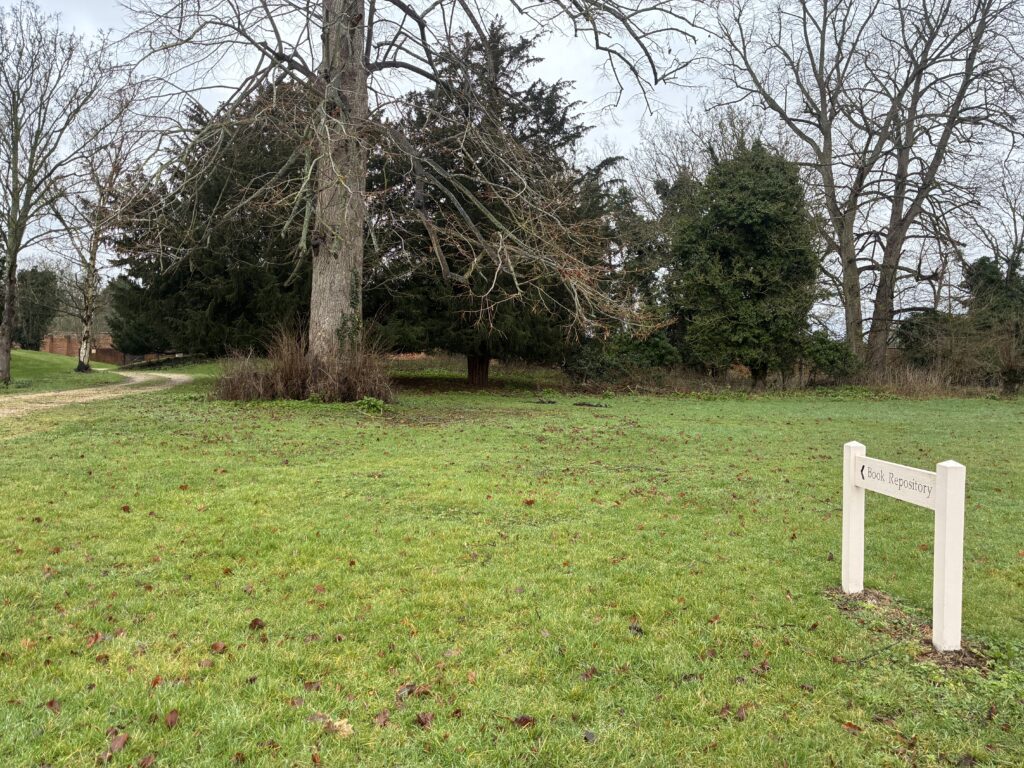
Oxford University chose this spot to the south of the house to build the first phase of the Bodleian Library’s ‘book repository’ in 1970. Over the years they have tried to extend it but been refused. Finally they built a new ‘repository’ in Swindon.
You may also like to read
10 Comments
Join the discussion and tell us your opinion.
Fabulous story and photos! Wonder whether Otto Nicholson would have been happy with the City Council moving his monumental gift from the most public of places to a private country estate. But at least it’s not sacrilege, like repurposing church fonts as ornaments in private gardens when they too ‘get in the way’
I think it would have been pulled apart otherwise so at least it was saved.
What a beautiful piece. Thank you. And here’s to hope.
xx Gina
Loved this! You tell the story so well and I love your description of how the water courses work and the figures on the conduit. Fabulous to learn why the antelope and dragon are there!
I note on one of the images a little harp on the stonework – so is that David up there too? I will look out for James next time! And I think the gloomy photos of the conduit with the skeleton trees behind are very atmospheric!
Yes one of the eight figures is King David, along with Alexander the Great,
Godfrey of Bullion (crowned with thorns, one of the 7 worthies waging war against the Grand Turk)
Ardaticus or Strapila, Charlemain, King James 1 (on whose shield is depicted the royal arms of France and England, Scotland and Ireland), Hector of Troy and Julius Caesar
Thanks for this! Simon and I visited, enjoyed and photographed it quite a few years ago.
Absolutely love the way you told this story, and the conduit itself! Was lucky to visit both the monument and Conduit House (plus its interior!) on one of the Oxford Open Doors days – amazing the lead cistern is still being fed with crystal clear water all these years later.
Just a question – what are the access restrictions for visiting the Conduit monument? Do you need permission to park & walk to it, given it’s presumably private land?
It is private land but there is a sign saying if you ask at the lodge then you are welcome – just say you are going to see the Cardax Conduit
Excellent article and photos.
I’m fascinated by history, beautifully carved architecture and monuments that pass the test of time. I look forward to reading the next issue.
Jennifer Bruce in Toronto. Canada.
The Sausage could well have followed in the footsteps of a young Queen Victoria. The queen visited Nuneham Courtenay with Albert soon after their wedding in 1840. She said it was a “most lovely place” with beautiful pleasure grounds and views of the Thames and Oxford.