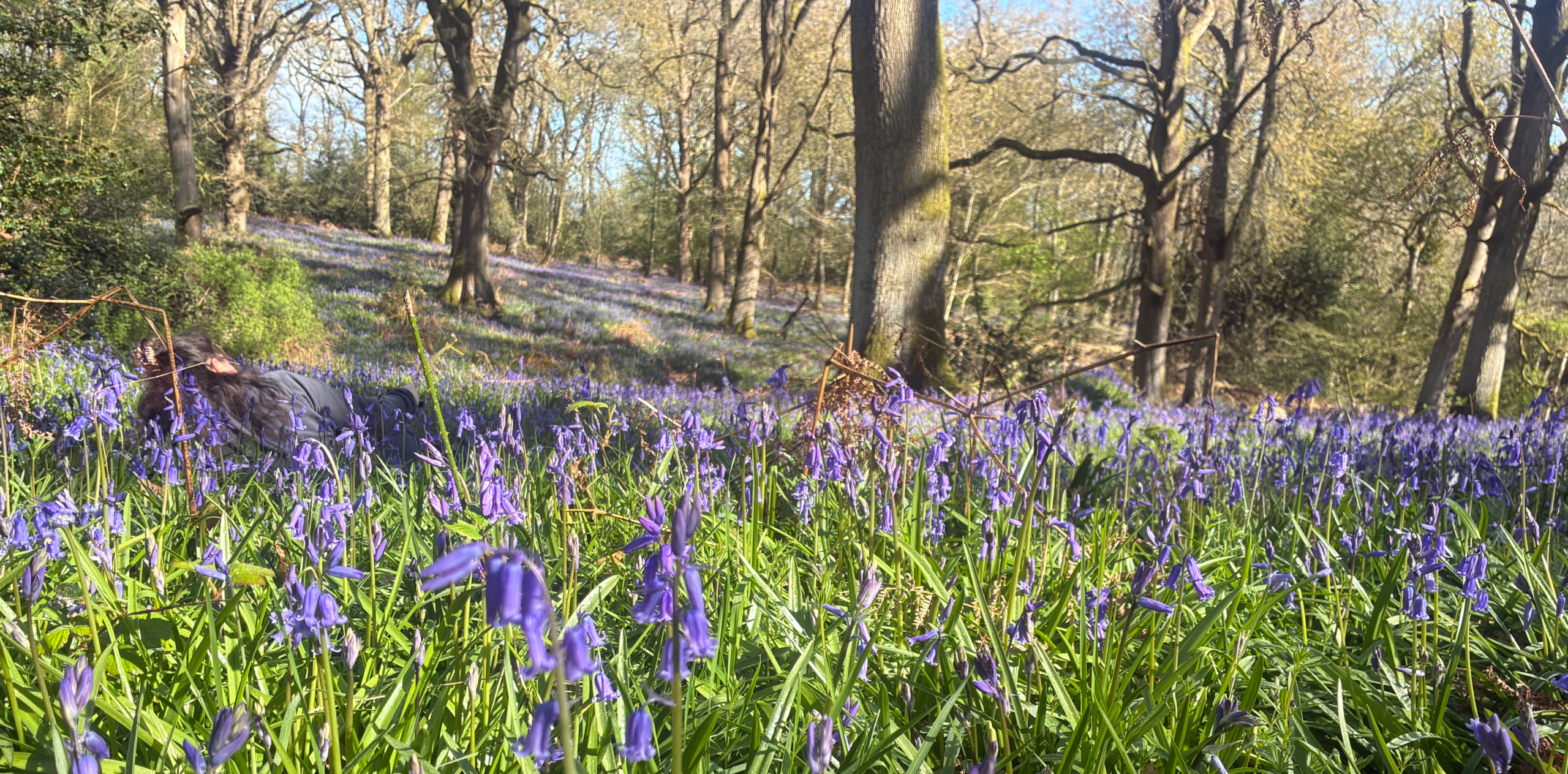
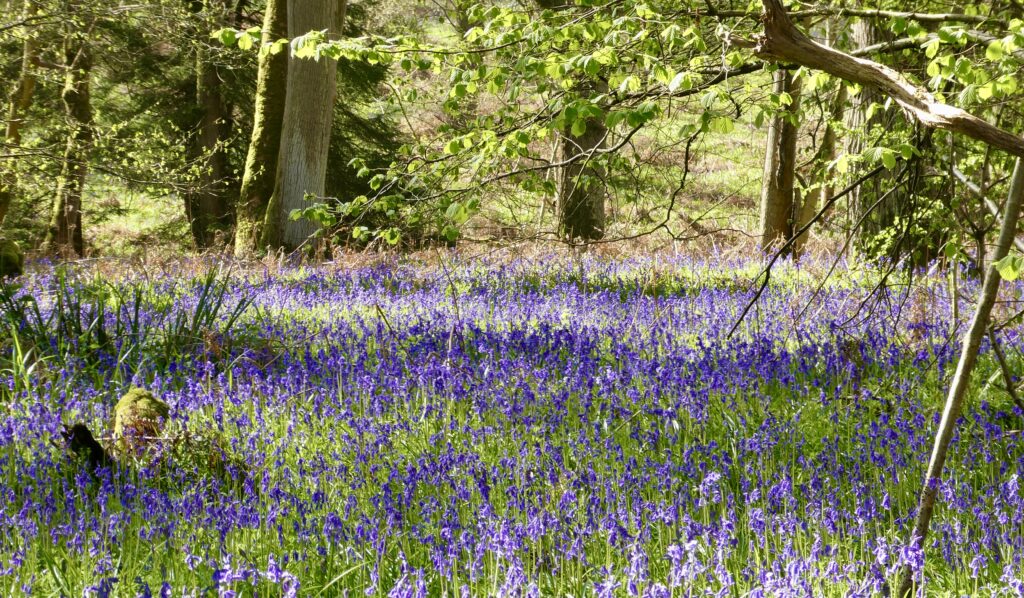
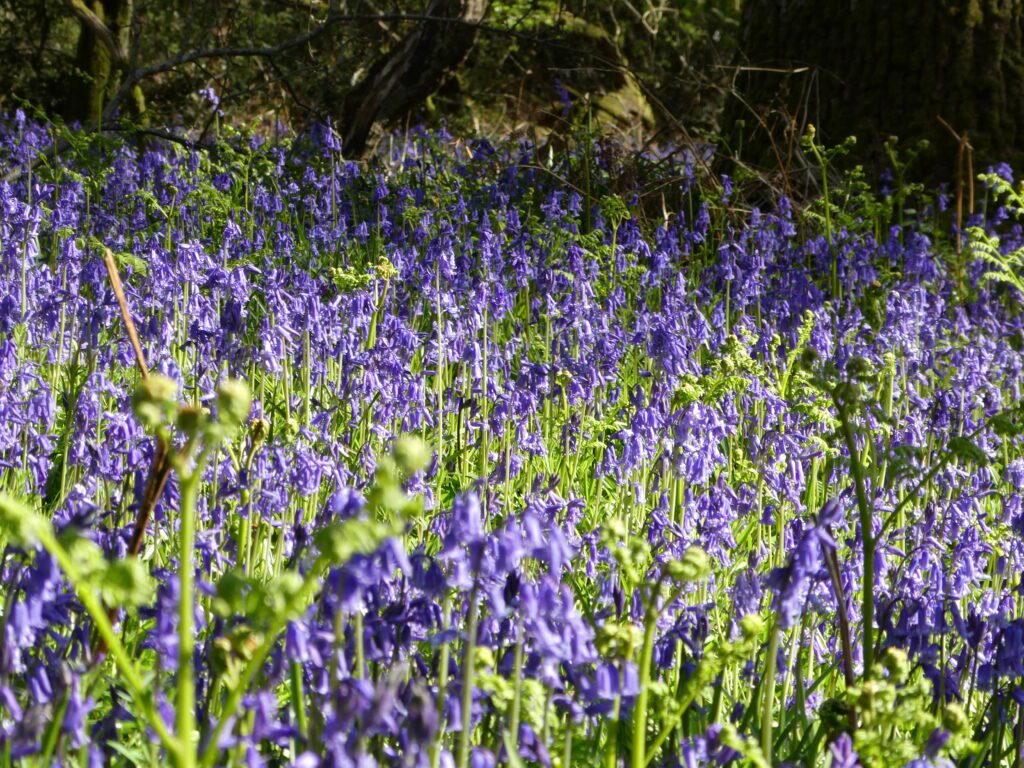
We’d struck lucky with the weather. That’s me and my go-to expert on all things flowery, Bea Groves. For although there is a hint of rain as we set off early one morning last week, the sky is as blue as the flowers we have ventured out south of Oxford to see. For this is bluebell time. Britain’s favourite flower. And according to Bea, the best place to experience its full beauty is at Bagley Wood. The time of year that the 568 acres of ancient woodland rolls out the blue carpet as if in readiness for a royal arrival.
And so it is with some excitement that we leave the confines of the city behind, head up Hinksey Hill and park on the verges of the main road that splices through the middle of the trees. We smell them before we see them. For no sooner have we stepped from the car than a heavenly, intoxicating perfume greets us, a fragrance so intense that it draws us through the gate and inwards to the dappled light of the forest. And it is as if the place is enchanted. For bluebells, it is said, grow only where fairies like to play, and no sooner have we crossed the threshold than we are plunged into their magical world.
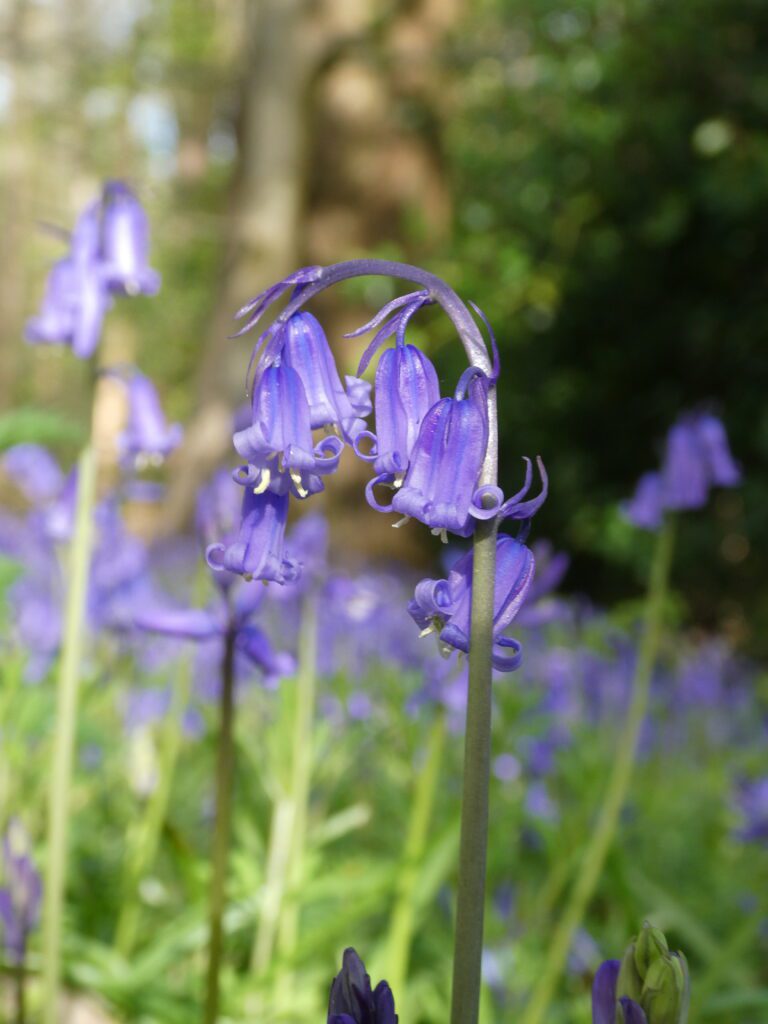
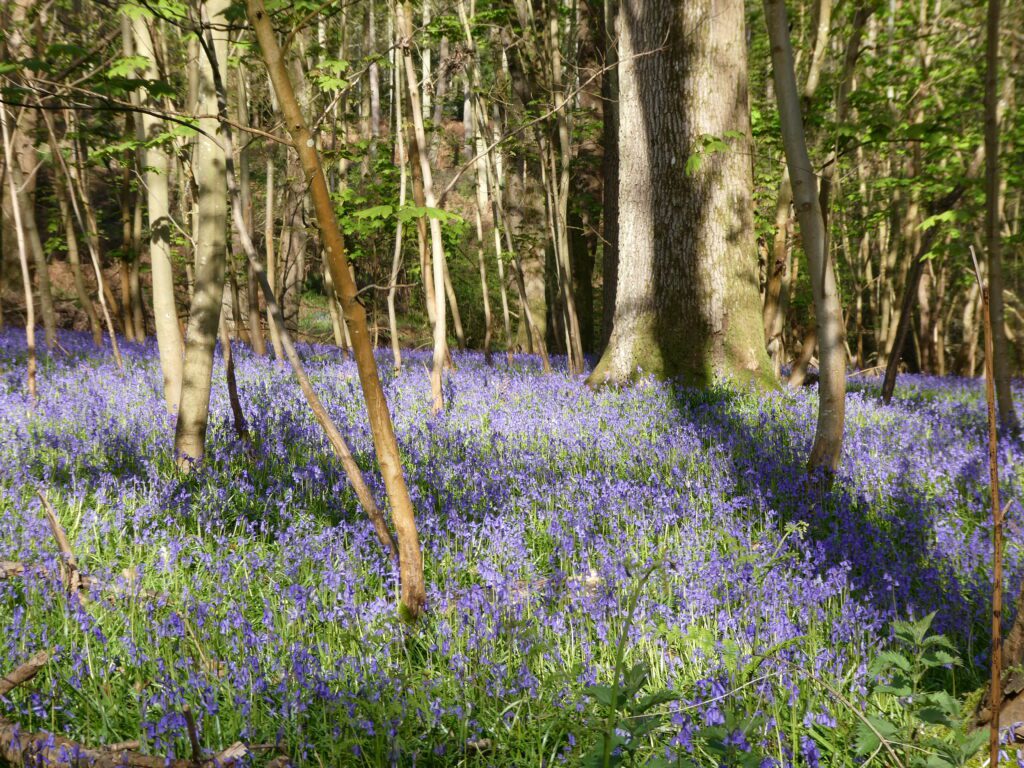
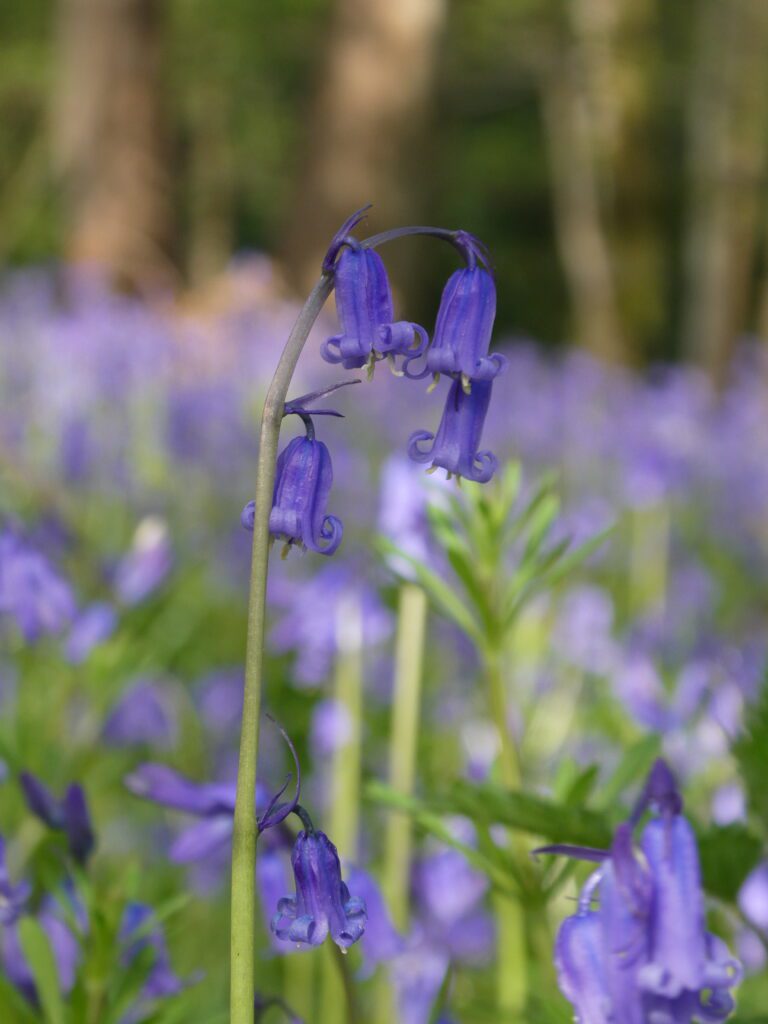
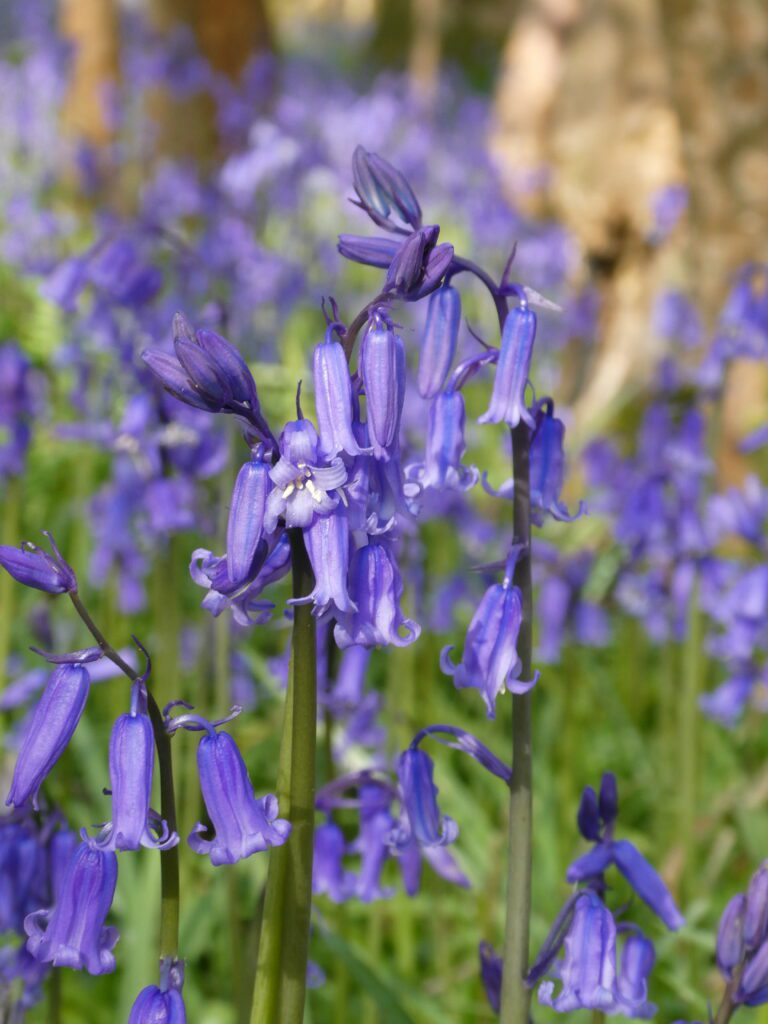
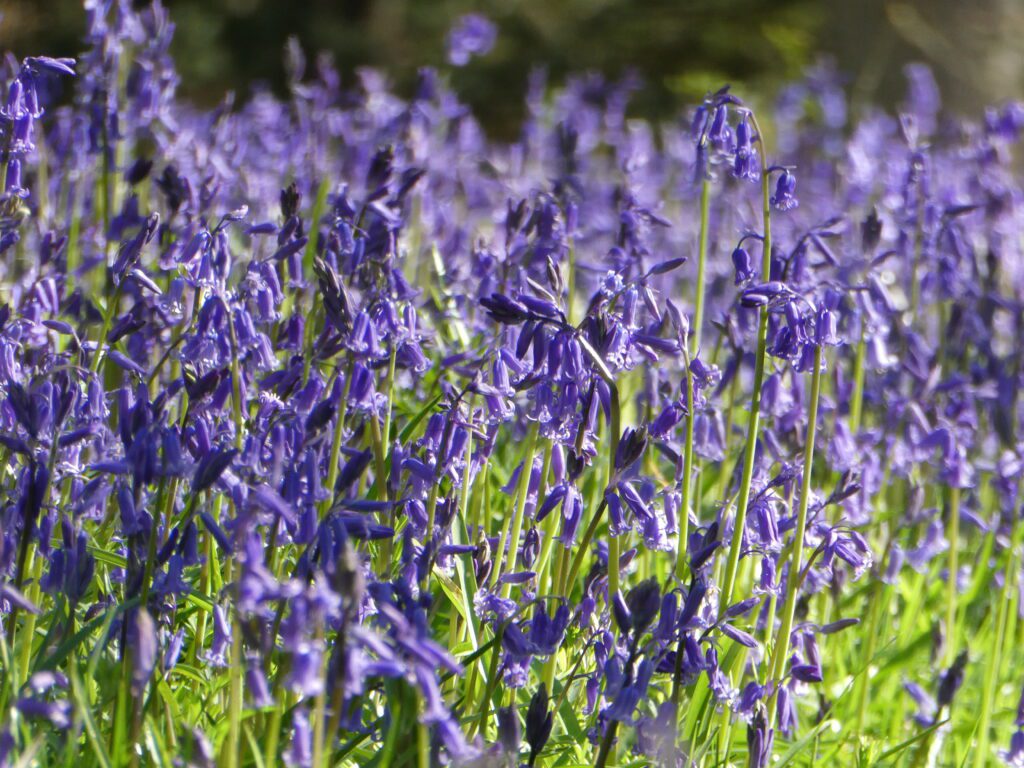
A great pool of fathomless blue stretches up on the right. So suddenly it stops me in my tracks. A glow, a haze, a wash of azure, achieved by a mass of individual stems, each bedecked and bowed by a string of tiny blue bells, their skirts curled upwards and placed prettily along one side. These are the wild, native variety of bluebell, of which Britain holds more than half the world’s population – (and are quite different to the much paler, upright, unscented and uncouth Spanish interloper that flower on both sides of the stem and flaunt blue not white anthers.)
The Latin name is Hyacinthoides non-scripta, meaning ‘like an unmarked hyacinth flower’, to distinguish it from a mythical flower that was said to have sprung from the blood of the dying Prince Hyacinthus, on whose petals his lover Apollo inscribed the letters ‘AiAi’ to express his grief.
“A ‘not written on’ hyacinth as opposed to ‘the written on one’ that doesn’t exist,” laughs Bea, just to clarify.
But they are also known by such delightful names as Lady’s nightcaps, witches’ thimbles, crow’s toes, cuckoo’s boots (after the time of year the birds start to sing), and the glorious ‘Granfer griggles’ (a Dorset dialect meaning ‘Grandfather’s giggle sticks’, referring to their ancient heritage and the sound they apparently make when the stalks rub together in the breeze.)
But I am getting ahead of myself. For Bea says the best of the bluebells are yet to come. And for that we must venture further along the woodland ride. Head deeper into the forest. And there is much to learn along the way.
Here are the last of the celandines, and the first wild white anemones. A tiny pink Herb Robert and a rare Star of Bethlehem. This is one of the few places in Oxford you will find wild wood sorrel (which Bea grows in her garden and uses shredded to add a lemony flavour to buttered asparagus). And then there are the unfurled fern heads, sculpted like Bishop’s croziers, and the first of the lords and ladies, Jack in the pulpit, or Adder’s tongues, just thrusting up through the undergrowth – “this woodland perennial, a sheath with a long phallic thing inside, has been given more names than any other flower,” says Bea. “Most of them rude.” She thought she was being refined by referring to them as cuckoo’s pints, until she discovered that pint was just another term for penis.
And so it goes on. An orange tip butterfly flutters around the flower of the abundant mustard garlic on whose leaves she lays her eggs. Taking advantage of the shafts of light that today shine through the branches. Before the woodland canopy closes in above. There are some drifts of bluebells along the way. In the 17th century glue made from the bulbs was used for bookbinding, and the starch inside to stiffen Elizabethan ruffs. But the star-studded spectacular is still to come Bea promises, as we clamber over wood piles, push our way through the undergrowth, take hidden tracks under the witchy branches of oak trees not yet in leaf. Ever deeper into the wood we dive, and such that I worry that we will never find our way out. That we will be stuck here forever.
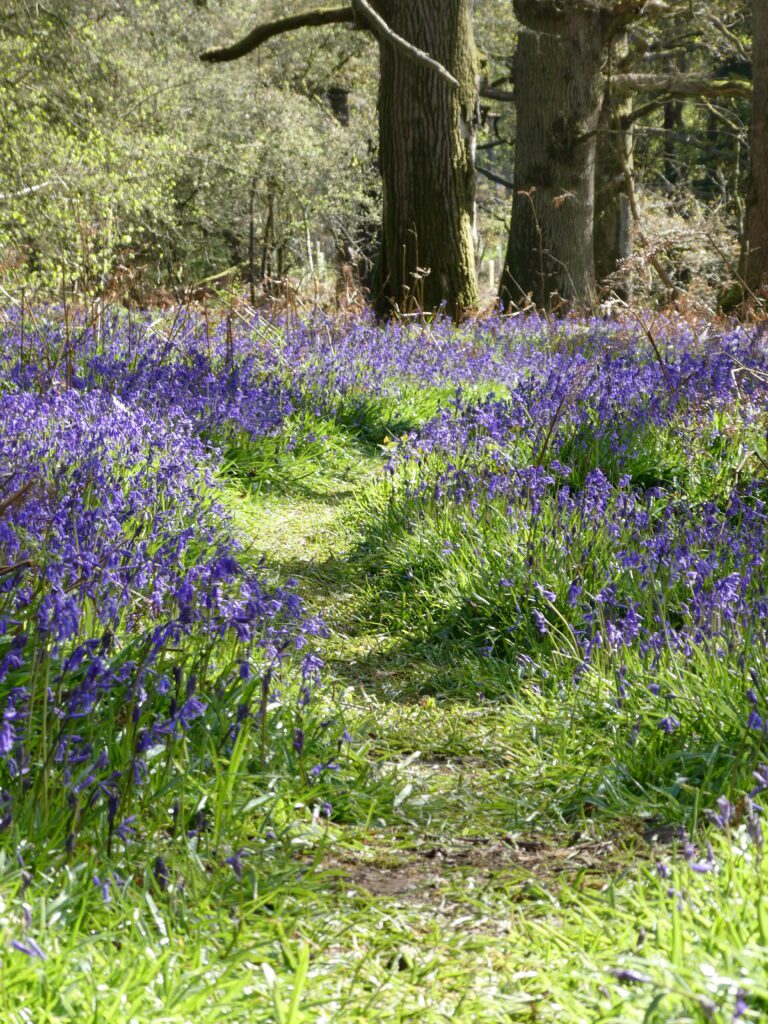
But then I am forgetting Bea knows her way around this place. And at length we reach the spot that she has been searching for. A vast patchworked blanket of blue, billowing out on all sides of the path. An undulating mass of varying shades, from dark violet to bright sapphire. A great sea of colour, some in pools of shade, others drenched in sunlight. And we stand in silence. In awe and contemplation at the sheer beauty of it all.
Then at last as the clouds begin to gather, we make our way back to the car. And I cannot be sure, but as we take our leave, I fancy I hear the faint ring of fairy bells. Which means we must make haste. For legend insists it does not do to be around when the woodland nymphs summon their kind to a secret gathering.
For this is when the real magic happens. When the fairy flowers will cast a spell on anyone left behind. Bidden to bide here forever. Bewitched by the bluebells of Bagley Wood.
Contributing photographer Bea Groves (who if you look closely you will see lying amongst the bluebells in the lead picture, framing a shot.)
You can find her and her insights on flowers on Twitter: http://@beatricegroves1
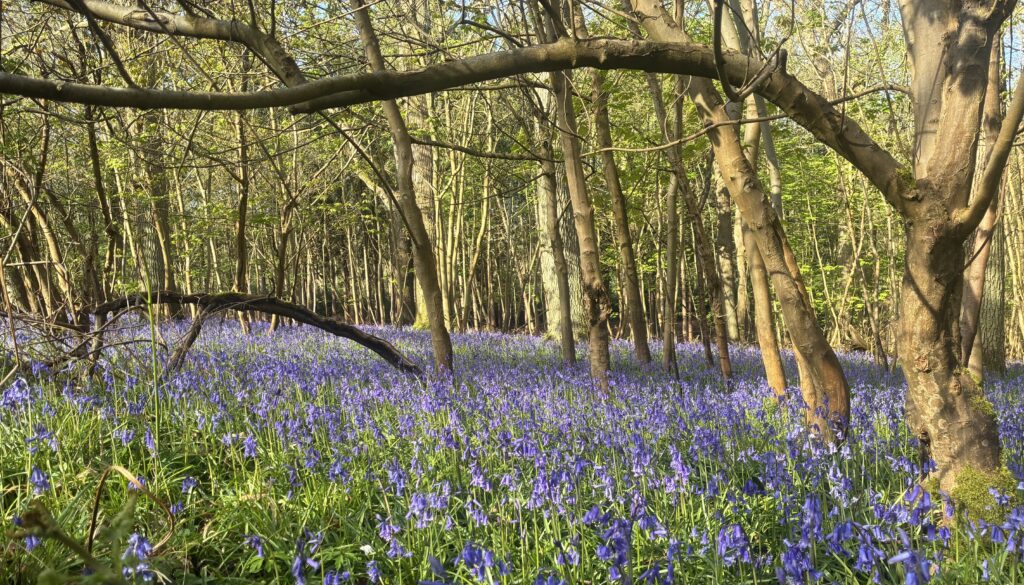
Bagley Wood has since 955 had only two owners. Abingdon Abbey, and after 1557 St John’s College who look after it and still use it to farm timber. The woodland has a high density of different tree species as well as native woodland flowers.
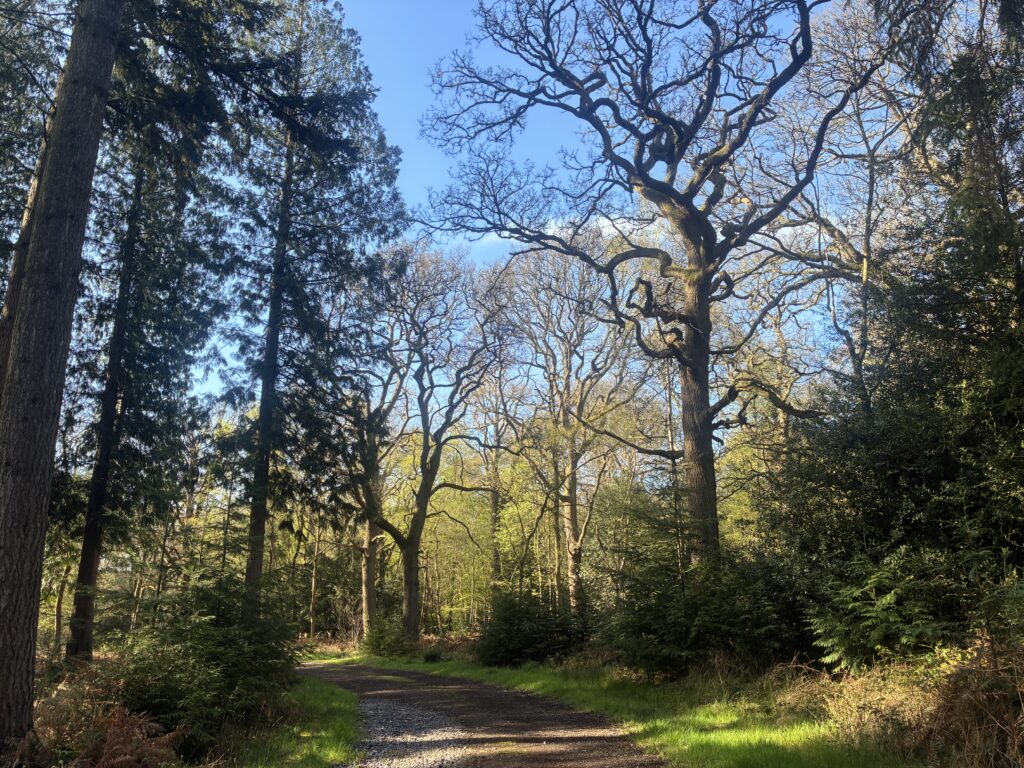
A woodland ride is the name given to a path through the trees, including these ‘witchy’ gnarled oaks.
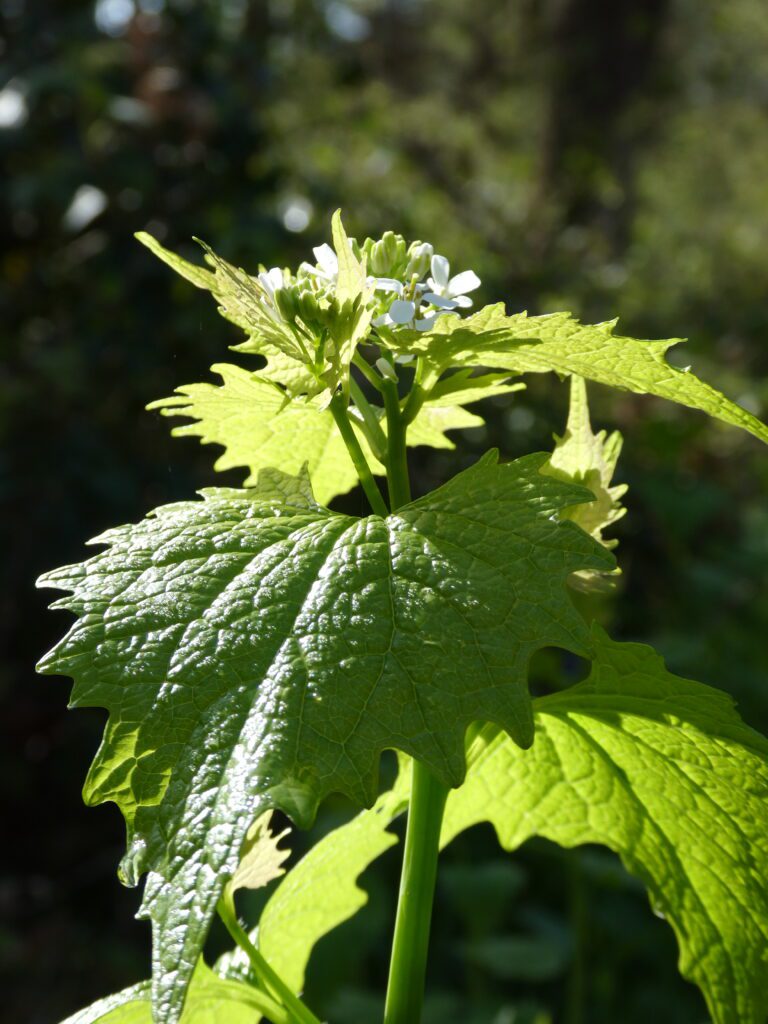
Garlic mustard – delicious to eat. But check for the eggs of the orange-tip butterfly on the underside of the leaves first before picking.
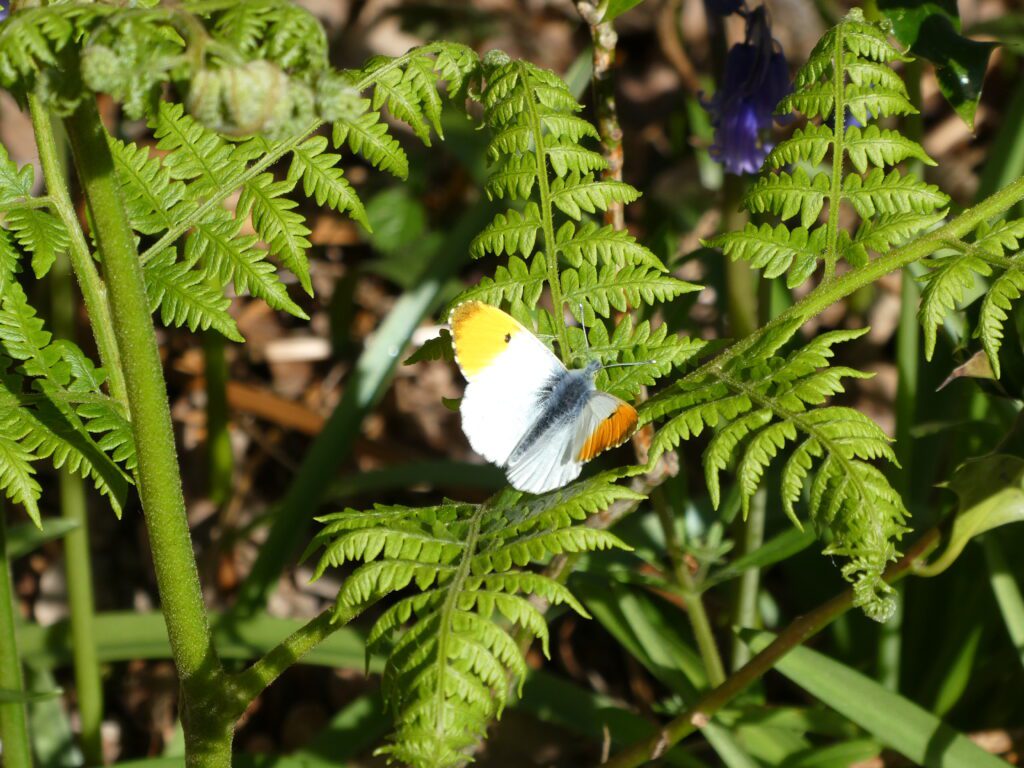
Like this one settling on young bracken.
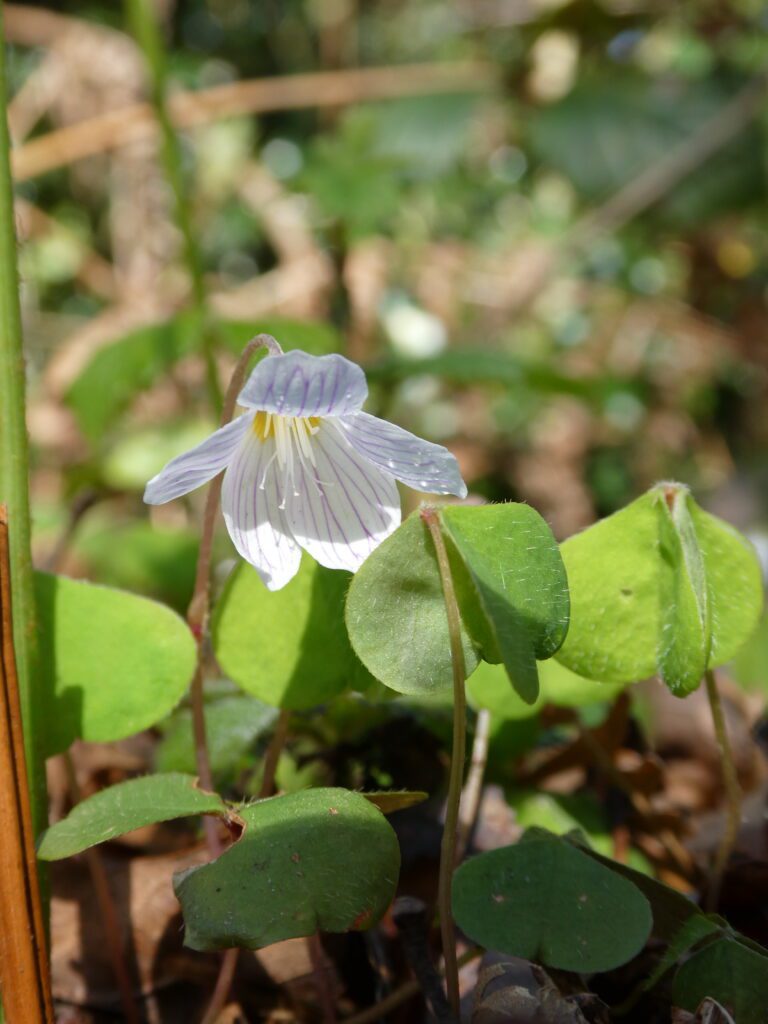
Wild wood sorrel
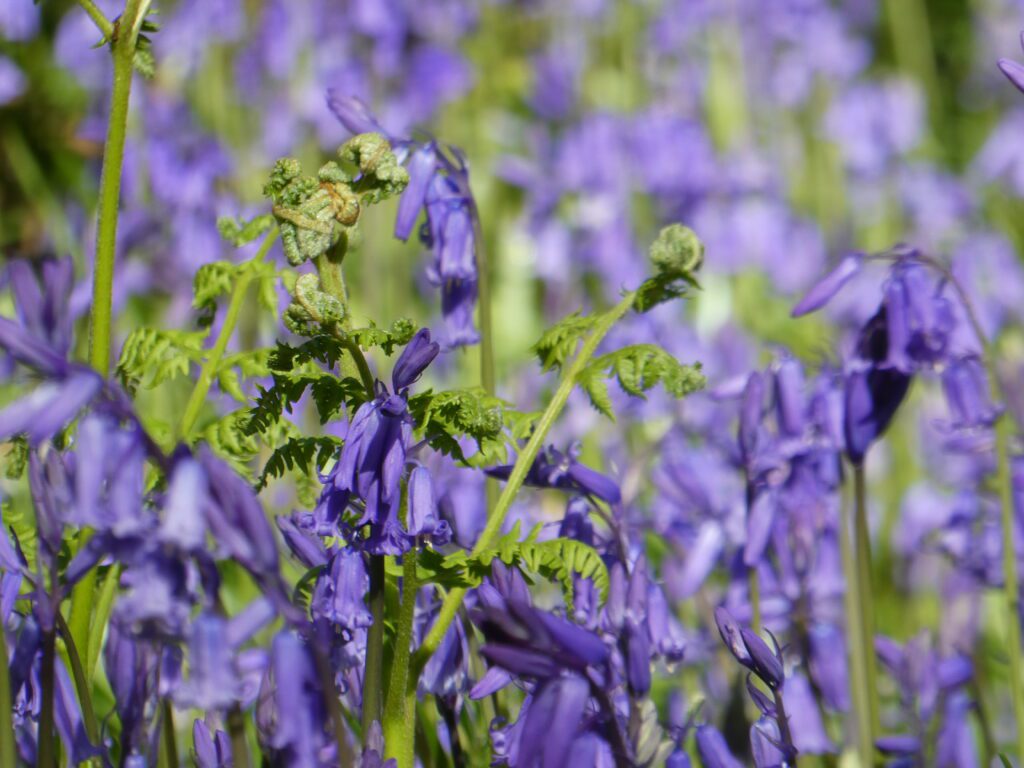
Ferns just coming through. They will open when the bluebells are over.
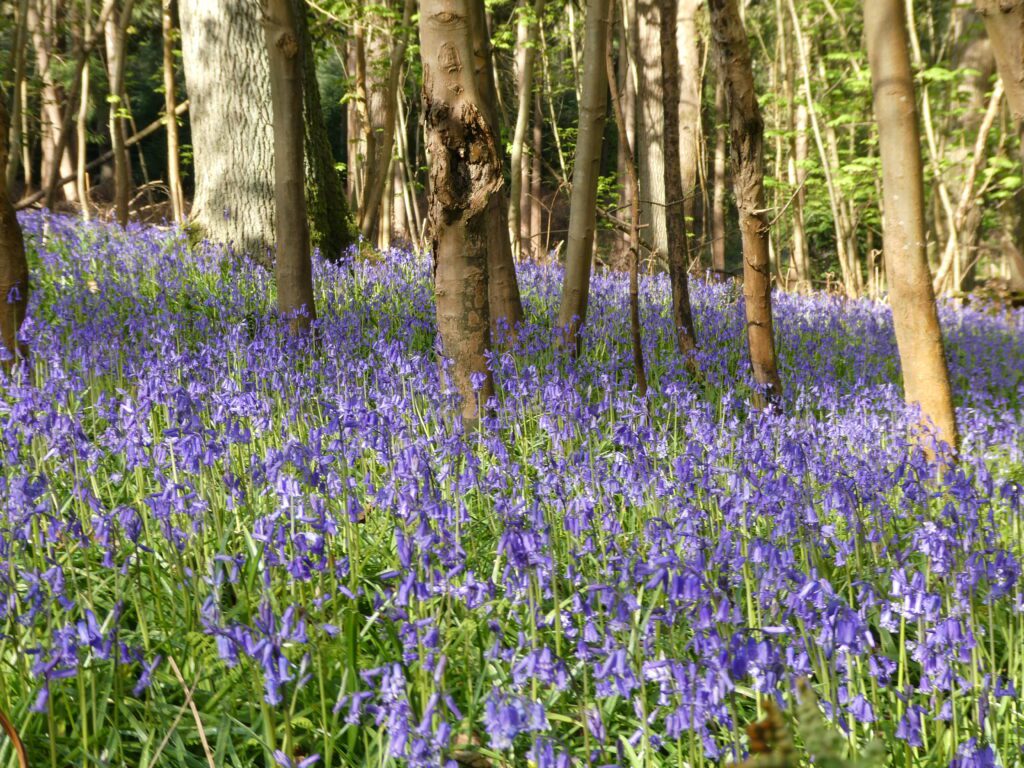
It is illegal to collect blue bells as they are protected under the Wildlife and Countryside Act of 1981.
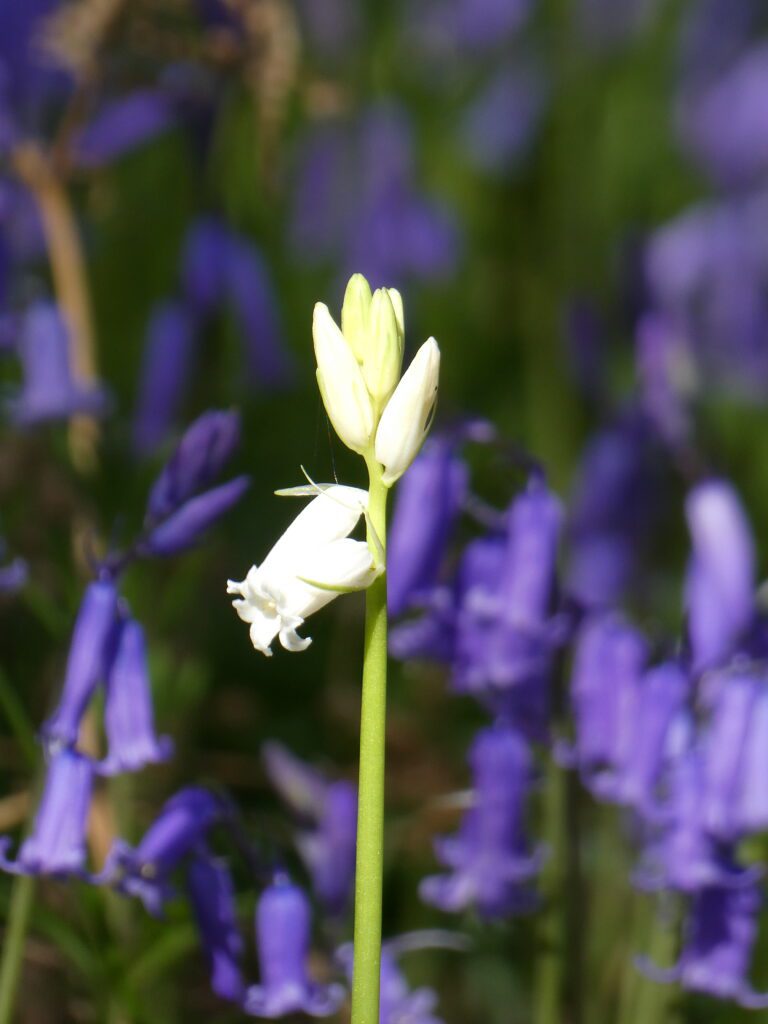
A rare albino bell.
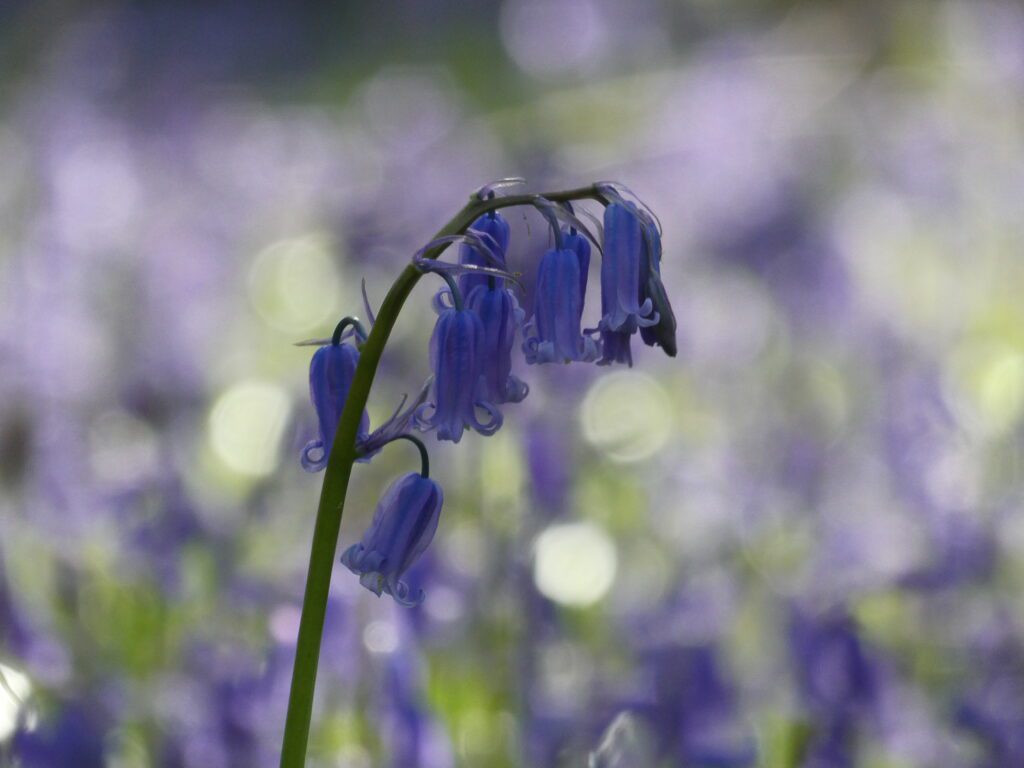
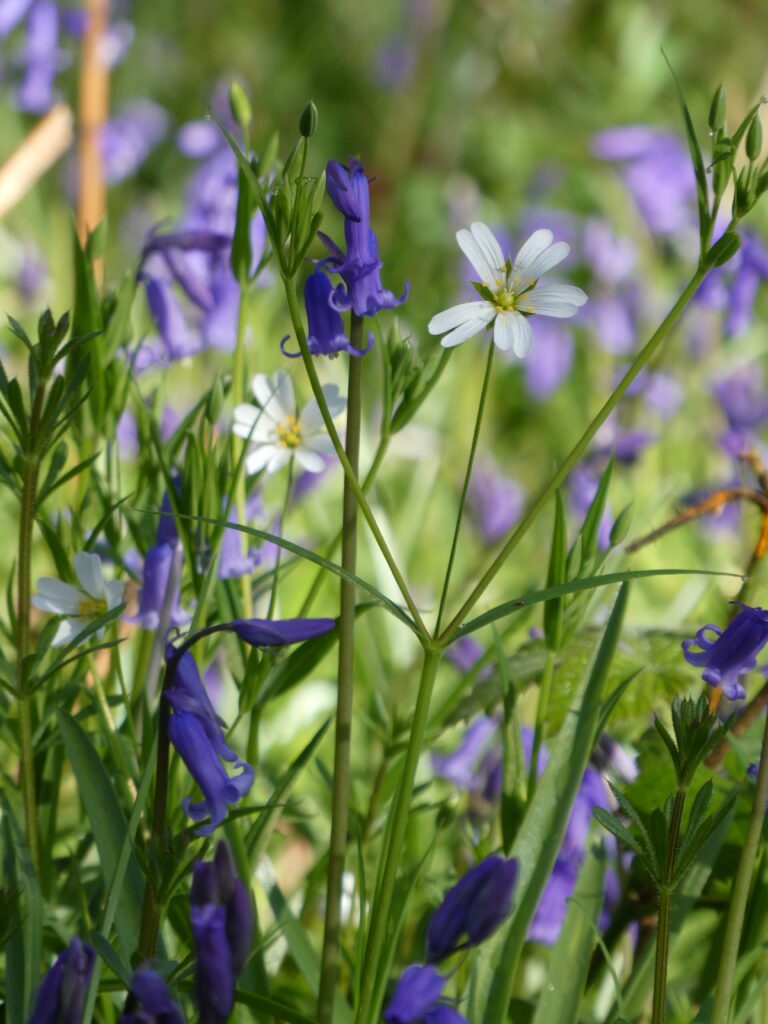
Stitchwort goes freely amongst the bluebells
You may also like to read:
2 Comments
Join the discussion and tell us your opinion.
What gorgeous photos, and an eloquent reminder of the wonders of spring on Oxford’s doorstep. This particular Sausage found me in Sicily where the spring flowers peek between the columns of ancient ruins and carpet their surroundings. But no bluebells 😉
How wonderful – and you may be lucky and catch both. The bluebells were only just beginning when we visited last week. But Bagley wonderful also in all seasons.