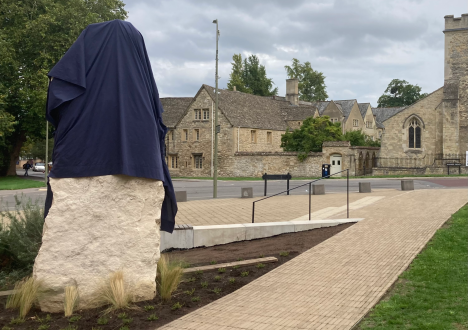
• A new public statue for Oxford

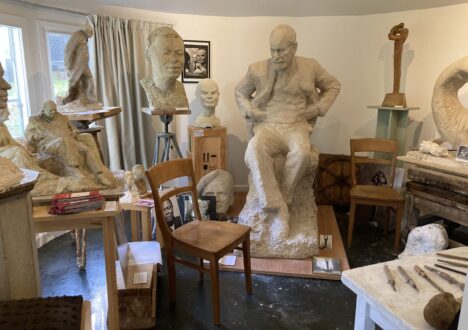
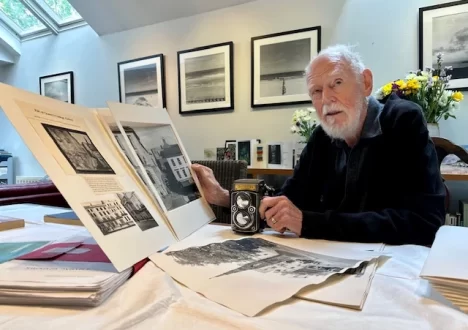
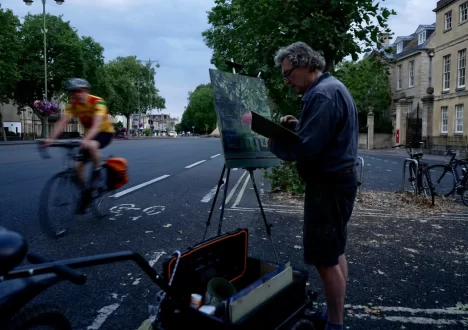
    I’d tagged along with photographer John Milnes, who has been following the local sculptor, Alex Wenham in the two year process it has taken to create from commission to completion. Who will it represent? Why was it ordered? And how was the finished piece achieved? Here in a series of pictures and John’s photographs, we tell the story.

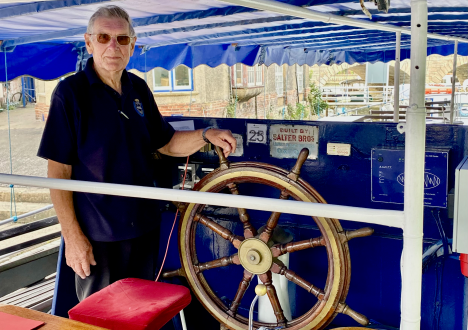
  • Graham Andrews, Salter’s Skipper

    I’d come to Folly Bridge to meet Graham Andrews. For today he is skippering the Salter’s passenger service that meanders along the river Thames from here to Iffley Lock. The third generation of Andrews to work on the boats, (it’s four if you count his daughter who does a bit of part-time work on the bar) he has promised to let me join him while he fills me in with something of his family history. And at the age of 82, I reckon he has a few stories to tell.

  • A walk to Turner’s tomb (from St John Street to Shipton-on-Cherwell

    But there is only one blue plaque. Displayed on the wall of number 16 it remembers the artist William Turner, who lived and worked here from 1833 until his death in 1862. Close by The Oxford Sausage headquarters, it is not uncommon to witness tour guides introducing the place as the home of JMW Turner, arguably England’s most famous Romantic painter. But this is a different Turner altogether.

  • Oscar Nemon and his Pleasant Land

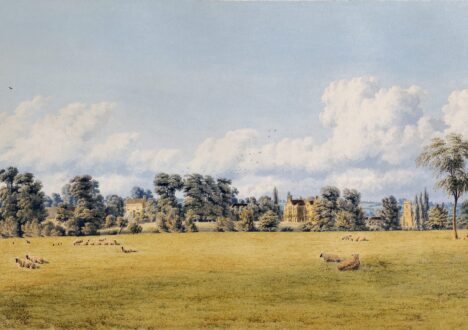
    Today I am venturing a short distance out of town to a place known as Pleasant Land. I don’t as yet know why it is called this. I am just thinking what a wonderful name with its promise of green pastures and natural beauty, both of which are in evidence as I make the steep climb away from the busy city up to Boars Hill, an area of countryside between Oxford and Abingdon.

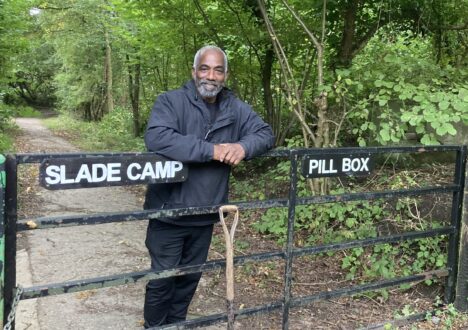
  • In the footsteps of Joe Pullen

    Josiah Pullen liked to walk. Believing the exercise helped him stay ‘vigorous and healthy’, he made the same journey every day for 57 years. Sometimes both in the morning and evening.

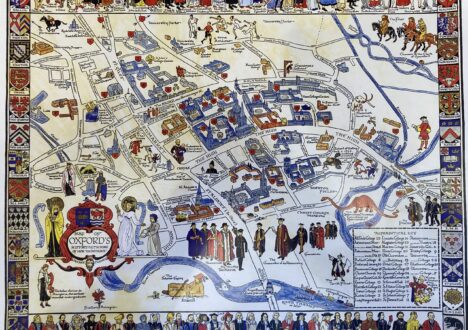
  • Francis Hamel and his Oxford Paintings

    Painted during three intensive periods over a period of 25 years, to those who live in the city they are instantly familiar snapshots, illustrated vignettes that cleverly capture that sense of surprise that many of us feel at the sight of a soaring medieval spire over a modern rooftop, or a field of meadow flowers glimpsed through the railings of a bus busy high street.