Imagine yourself back in the year 1126. Arising early to make the long journey from Oxford to London, you leave through the east gate of the city and follow the well worn route up through Cowley Marsh towards Shotover. The land around here is owned by the crown. Henry I passes through it on his way to his hunting lodge at Woodstock. He likes Oxford. He’s even planning to build a palace at Beaumont to the north of the city. But you are keen to lay eyes on the King’s latest charitable foundation. And after a pleasant mile or so passing through open countryside you spot it. A small chapel with a steeply pitched roof standing alongside a group of other buildings, a set of ramshackle rooms for the twelve inhabitants and a larger house for the warden. A figure in a sombre gown tends to the dovecote, the hood has slipped a little to reveal a woman’s face. It has the tell tale lack of eyebrows and lashes. Another resident is sowing barley, his left arm hanging distorted and limp by his side.
This is the hospital of St Bartholomew, known as Bartlemas. And its residents are all lepers.
Just short of 900 years later and I am making the same journey, this time up what is the busy Cowley Road, alive with restaurants, bars and grocers, their shopfronts over flowing with boxes of exotic vegetables, bags of kindling and bunches of herbs. I’d arranged to meet local resident Martin Stott at the kink on the road where it becomes more residential. It’s where we will start our tour of Bartlemas, now a six acre conservation area, the smallest in the city apparently, on which the chapel and the hospital site still stand. Martin has been photographing the place for over 36 years, the images just published as a book, ‘Bartlemas, Oxford’s hidden sanctuary’. And hidden it certainly is.
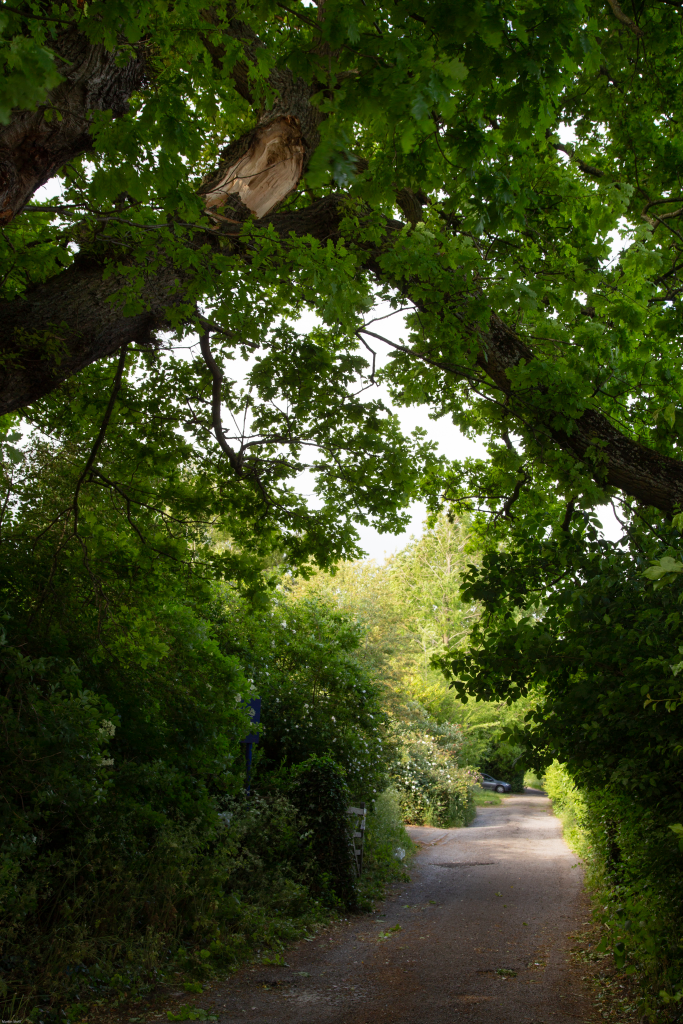
For unlike that of our 12th century traveller, there is no view from the road of what lies beyond. Between two tall hedges, we head down a narrow, tarmacked drive. At once the noise of the traffic subsides and we find ourselves as if in a country lane. On the left it is lined with housing of varying age of both brick and stone set back behind walls and greenery. On the right there’s a square of scrubland, home for a hundred years to the manicured lawns and well-kept clubhouse of the East Oxford Bowls Club before it folded and the homeless arrived to pitch their tents and the pavilion was burned to the ground. There’s a wooden board over a hole in the fence now to stop any kind of trespass. Visitors it seems are not welcome.
Apart from the individual residences and the chapel, the whole area is owned by Oriel College. It was gifted to them in 1329 by Edward III, after a series of corrupt, and unscrupulous masters of the hospital (one had a mistress, another gave preferential admission to those who could pay, you get the idea) made it a headache to administer. Oriel has held on to it ever since. The college has different uses for it now, (its sports ground at the end of the lane was being mowed for a forthcoming rugby match when we visited) and by the looks of the many gates and padlocks they are wary of unwelcome intruders. But luckily for me Martin is well known around here and has keys and codes to gain entry to the places we need including the site of the old council run Bartlemas Nursery. I’d been particularly keen to see it. Closed since 2008, the last time I visited, this was a noisy bustling set of low rise classrooms for young children, with a progressive Headteacher who believed in learning through play. Now it’s a sad hotchpotch of dilapidated prefabs, the old blue rimmed paddling pool filled with brambles, the ground scattered with pieces of coloured Lego. The sorry story is all there in Martin’s sad but evocative images.
Back to the 12th century and Bartlemas was one of the earliest of the sixteen leprosaria built in the south of England when leprosy was rife. It was dedicated to St Bartholomew, who it was claimed, having been martyred by being flayed alive, had the medical powers to cure this most horrible of ailments. Medieval pilgrims came here in large numbers to pray before his image and pay for the privilege of handling the chapel’s collection of relics, which allegedly included a piece of the skin of St Bartholemew himself.
This was the era of religious revival, when charity towards the outcast became linked with the pious. Even the wife of King Henry 1, Queen Maud, was at it, making special excursions to leper houses in the hopes that this might help her gain a more agreeable afterlife. Expected to live disciplined lives in order to be purged of their sins, lepers handed over all rights to property and inheritance when they took up residence. But then in the early days they were well looked after, cartloads of hay coming from the royal meadows at Osney, and rents made available from other local properties. It was certainly preferable to gain a place at a hospital than to beg on the streets with bell and clapper dish as many were forced to do.
The old leper hospital buildings themselves are no longer there. Even by the time they were destroyed by Cromwell’s troops during the English Civil War, the plague had wiped out most leprosy victims. But the replacement almshouse built in 1649 is still around. The old stone property with mullioned windows is in private ownership now and you can only glimpse it from the gardens of the chapel. But the long shadows cast by its tall box hedges give the place a mysterious air, and you half expect a hooded shape to appear at the window.
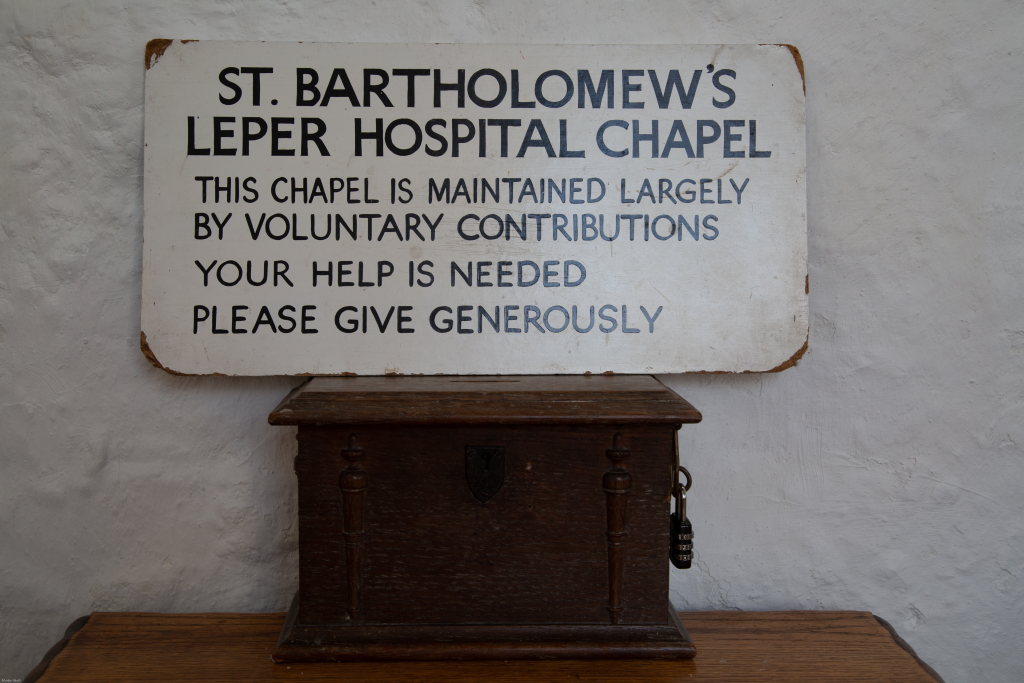
The path from the hospital would have led directly to the door of the little leper church that stands parallel to it. Despite its roof being stripped of lead for use as shot by the Roundhead army, its bell stolen and its use for many years as a cowshed, the chapel survives as the oldest building in the area, much of it dating back to the 14th century. Inside, there’s an ornate oak chancel screen from 1651 when the college refurbished the place, but the overwhelming feel from the whitewashed walls and high timber framed ceiling is of quiet and contemplation. It’s not much used and for the most part the gate remains locked. But you should visit when you can. There’s a service once a month, there are occasional exhibitions and the evening Christmas carols are well worth attending. The chapel takes on a different feel entirely in the dark.
And the garden is lovely. There is a man up a ladder picking apples when we visit. The small orchard is laden with fruit and he’s already filled two large baskets ready for juicing. On the other side of the fence are the Bartlemas allotments, where Martin holds a plot. At this time of year they are a riot of orange nasturtiums, shocking pink salvia, and red and yellow dahlias. There’s even a small but tasty harvest of tomatoes and tender stem broccoli still to be had. Here you will find a culturally diverse mix of gardeners from all over the world, Palestinian, Kurdish, Chinese, American and Zambian tilling the soil where once it was lepers. It’s a nice continuity of use. I am sure the early settlers would be pleased.
And so it is we take our leave of this secluded spot and make our way back to the hustle and bustle of the main road. Bartlemas itself might feel more inaccessible now than it did to our 12th century traveller, but there are many who live nearby who have taken the baton from those who sought to make life better for those early men and women who found themselves destitute. For on the other side of the Cowley Road you will find the headquarters for the Oxford Samaritans, The Porch provides daycare for the homeless, Helen and Douglas House delivers much-needed respite for terminally ill children, and up the hill the Warnford offers help to people with mental health issues. Bartlemas like all hospitals in the Middle Ages was a place that aimed to provide care and charity to those most in need. And though much has changed, this is I’d say as good a mantra today as it ever was.
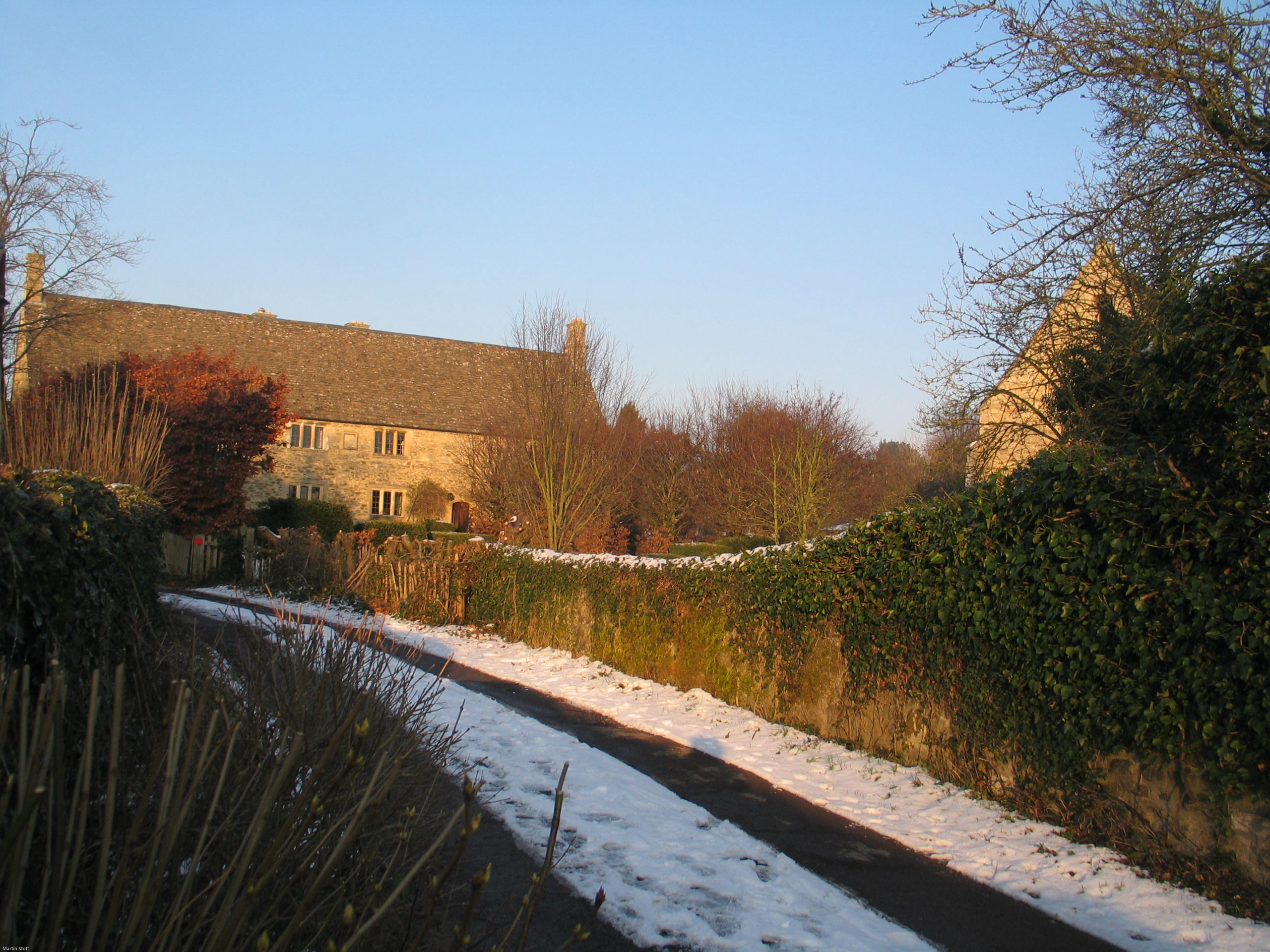
Main image: Lane and leper hospital in winter by Martin Stott
‘Bartlemas – Oxford’s hidden sanctuary’ is a book of photographs by Martin Stott with an essay on medieval Bartlemas by historian Ian Forrest
It is available from Blackwells, Caper Books where Martin’s photos will be on display between 1-9 November, Daunts bookshop in Summertown and from Martin through his website
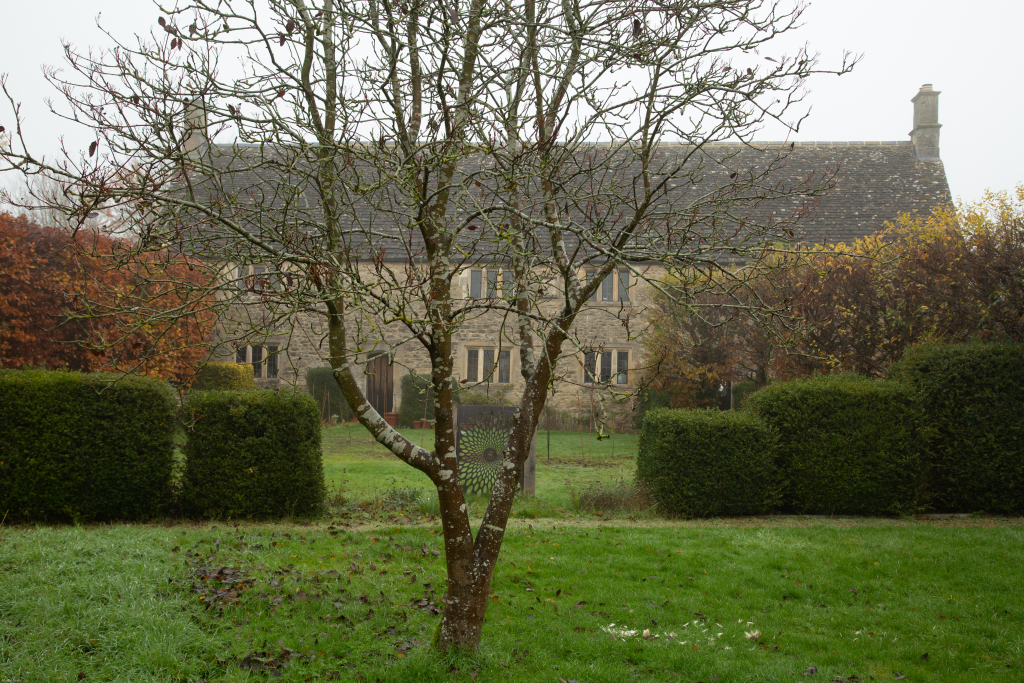
Bartlemas House, built in 1649 on the footprint of the old leper hospital.
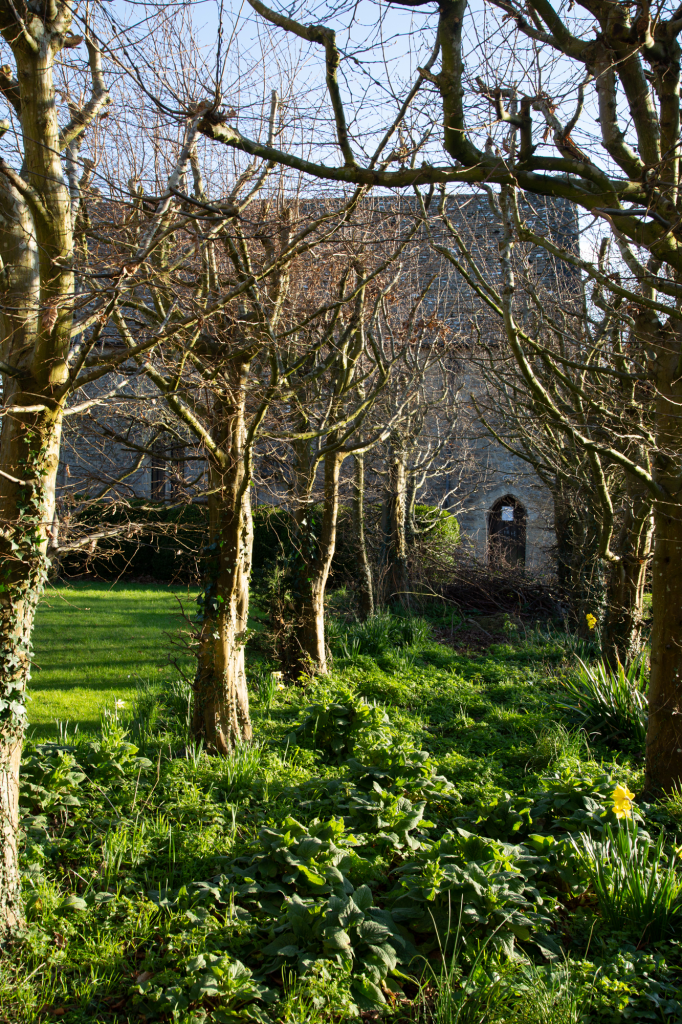
With its path to the chapel
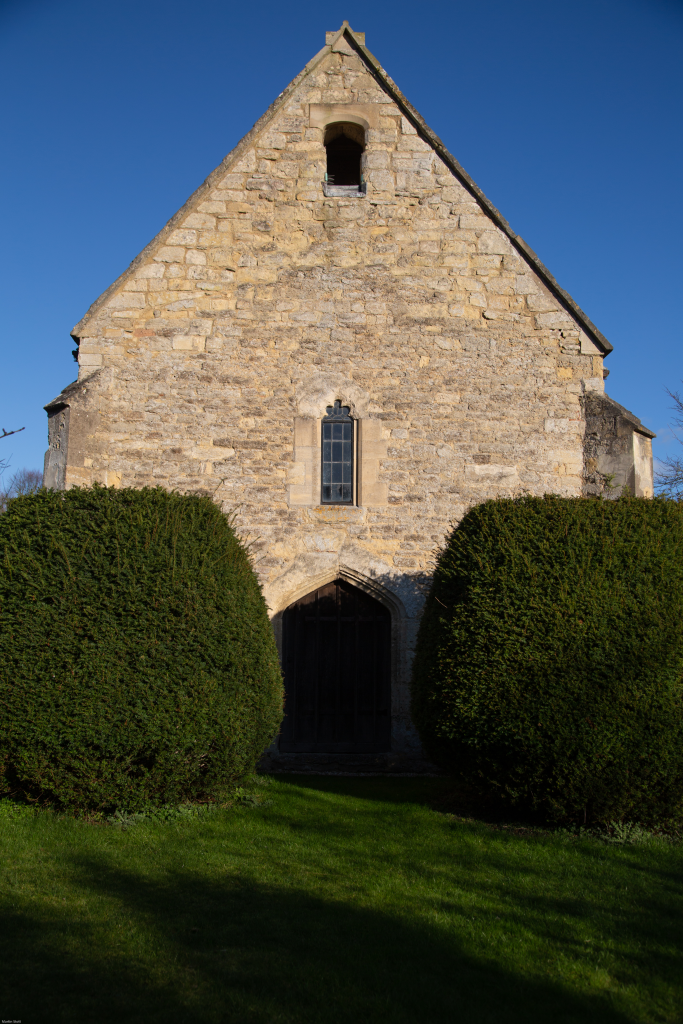
Bartlemas Chapel
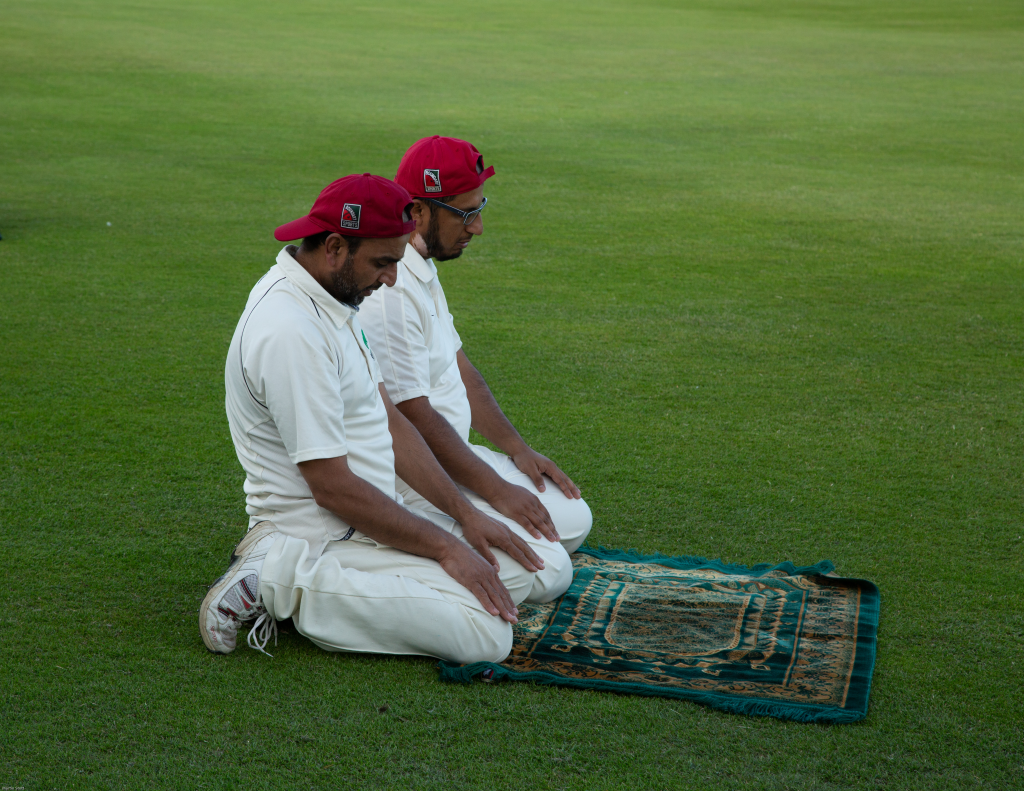
The Oriel College sports field is also used by Bartlemas Cricket Club where Martin caught these fast bowlers praying in between wickets.
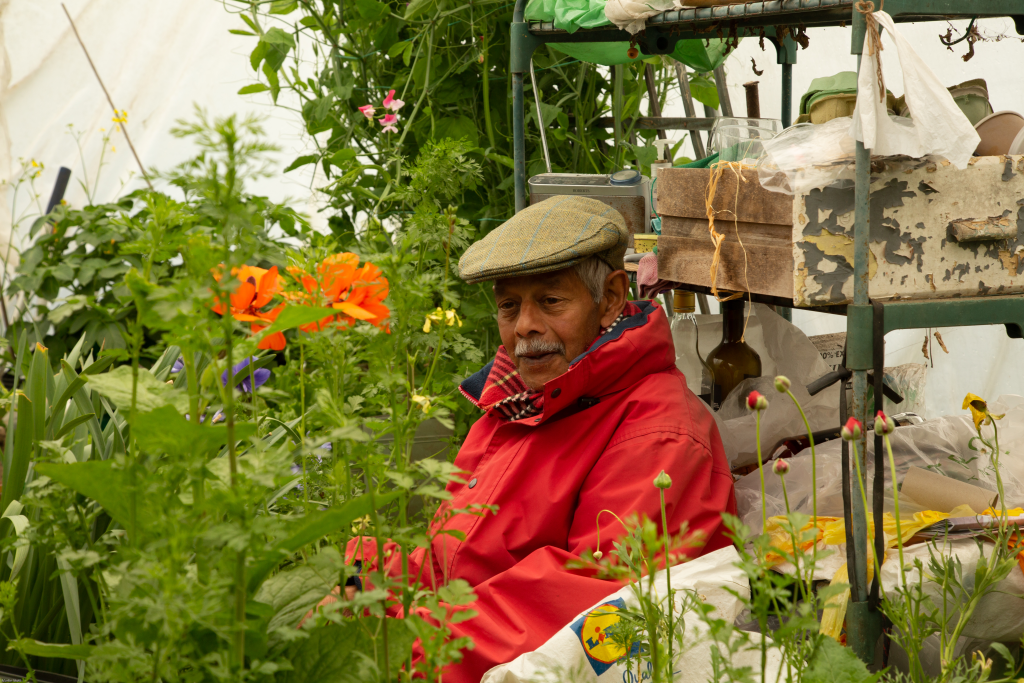
John from Bartlemas allotments
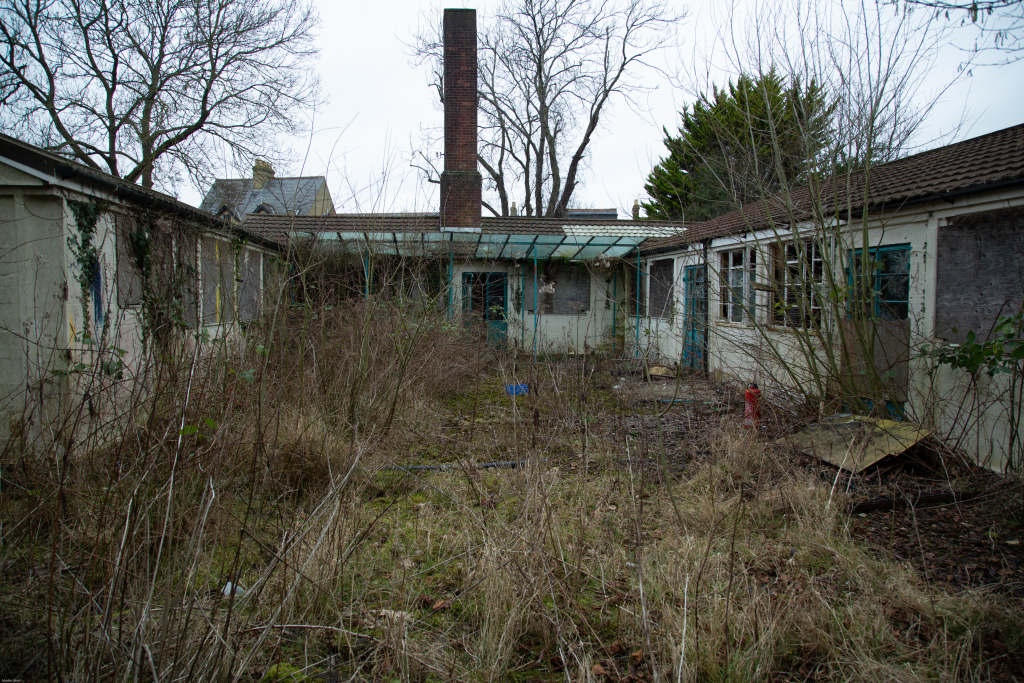
Bartlemas Nursery (1956-2009) as it looks now
All photographs © Martin Stott
2 Comments
Join the discussion and tell us your opinion.
Very nice to be spirited back in time
This is a snippet from a piece I wrote about Oxford “May before the Civil War”, which includes Bartlemas as a very much older place to celebrate May morning than Magdalen Tower. “Before I ask what seems to me the vital question [about Magdalen May morning] raised by this perilously thin continuity why was the custom revived in such an altered form? Was it policy or was it part of a larger project of Restoration Oxford. I think we might glance at a couple of Oxford rituals, not at all dissimilar to the pre-war form of the May game, which seem not to have survived beyond the seventeenth century. Let’s do this before we think about the Restoration project to revise the customs as well as the buildings of Oxford.
Again we are obliged to Aubrey’s Remaines for an account of two Oxford customs clearly related to the pre-civil war May Game:
I remember at Oxford before the Civill Warres the custome was that some day of the Whitsun Holydayes the Master cooke [of Exeter College] with the rest of his Bretheren were marched in silk doublets on Horseback and rode I think to Bartholemews or Bullingdon Green to fetch in the Flye: the said Master cooke treated his bretheren before they rode-out. . . and on Michaelmas-day they rode thither to convey the Flye away. [Ref Remaines]
While this is pleasantly mysterious, the timing would suggest that this is another version of “bringing in the summer.”
In Holy week the fellows of New College “time out of mind” went to the hospital near Oxford called Bart’lemews
where they retire into the Chapell, and certaine prayers are read and an Antheme sung, from thence they goe to the upper end of the grove adjoining to the chapel (the way being beforehand strowed with flowers by the poor people of the Hospital) they place themselves around the well there, where they warble forth melodiously a Song of 3 or 4 parts; which being performed, they refresh themselves with a morning’s-draught there and retire to Oxford. [Remaines]