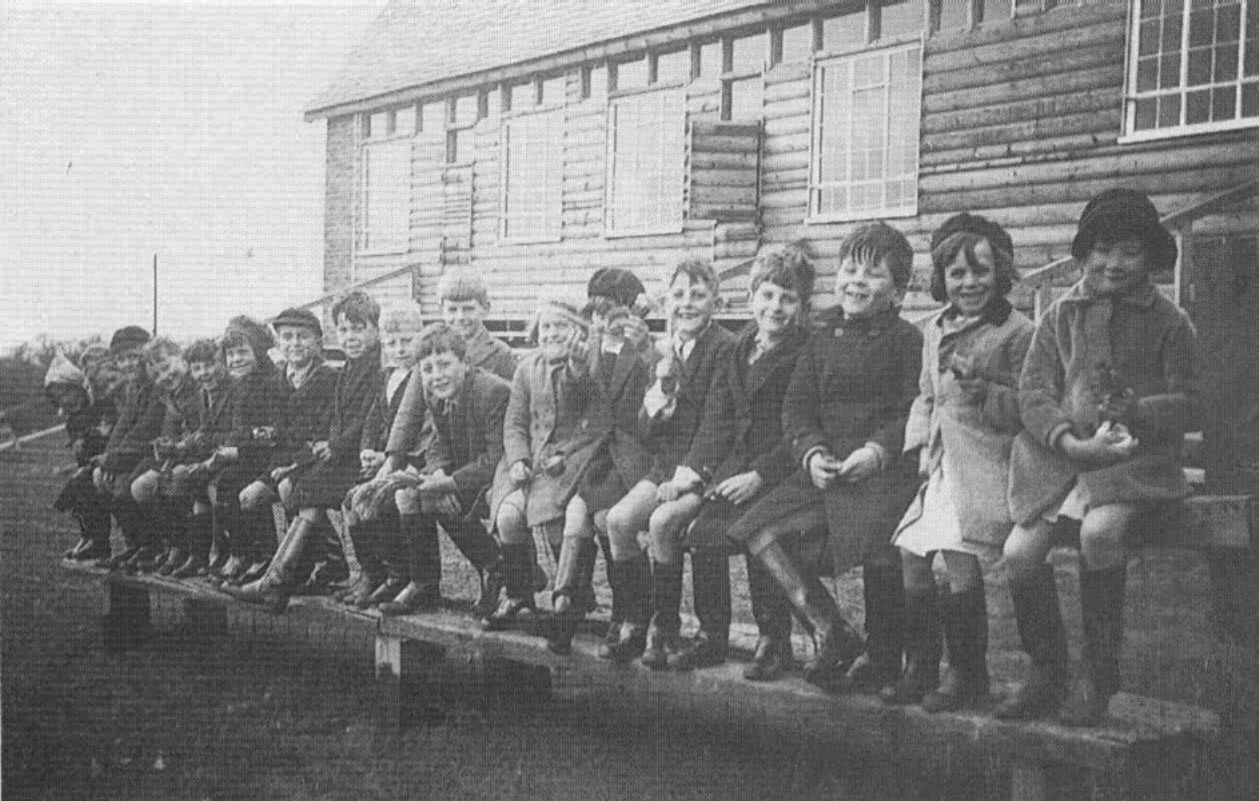
There is a black and white Pathé film shot in the summer of 1939 which features a group of young schoolchildren, boys in shorts and girls in frocks, engaged in a series of outdoor activities. Some sit at trestle tables sketching leaves or sticking pressed flowers into scrapbooks; others have constructed a makeshift see-saw. A child laughs as she leapfrogs around a fairy circle of wooden toadstools, a gang of excited children, now dressed in woollen bathing costumes and rubber hats with under-chin straps, race down the hill to an outdoor swimming pool equipped with slides. The final scene shows hard wooden reclining boards being carried outside; used to sit on, as tables or in this instance for the requisite afternoon nap in the fresh air.
This is Hill End Camp, 67 acres of unspoiled countryside four miles west of Oxford, protected by deed of trust for the outdoor education of children. And it is here that I am heading today, 100 years after the first cohort of infants from West Oxford Elementary School arrived by charabanc back in 1926. A pioneering project that championed a belief in the physical and psychological benefits of being in the ‘great outdoors’, of immersing yourself in nature. And I am delighted to say that it is still going strong.
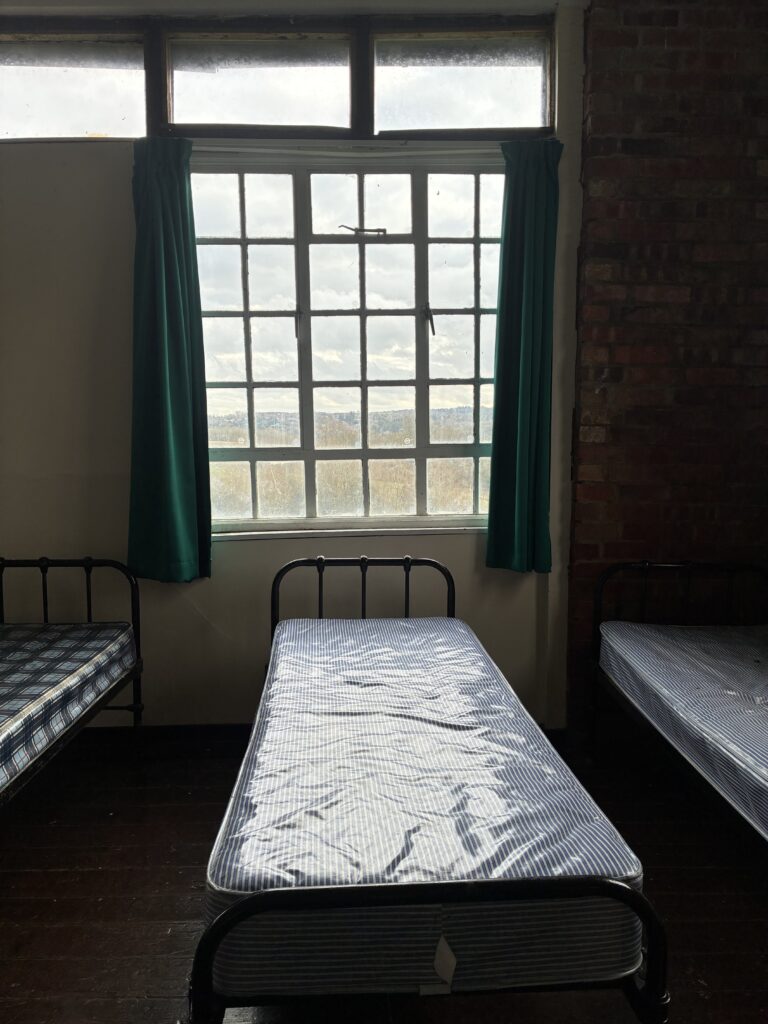
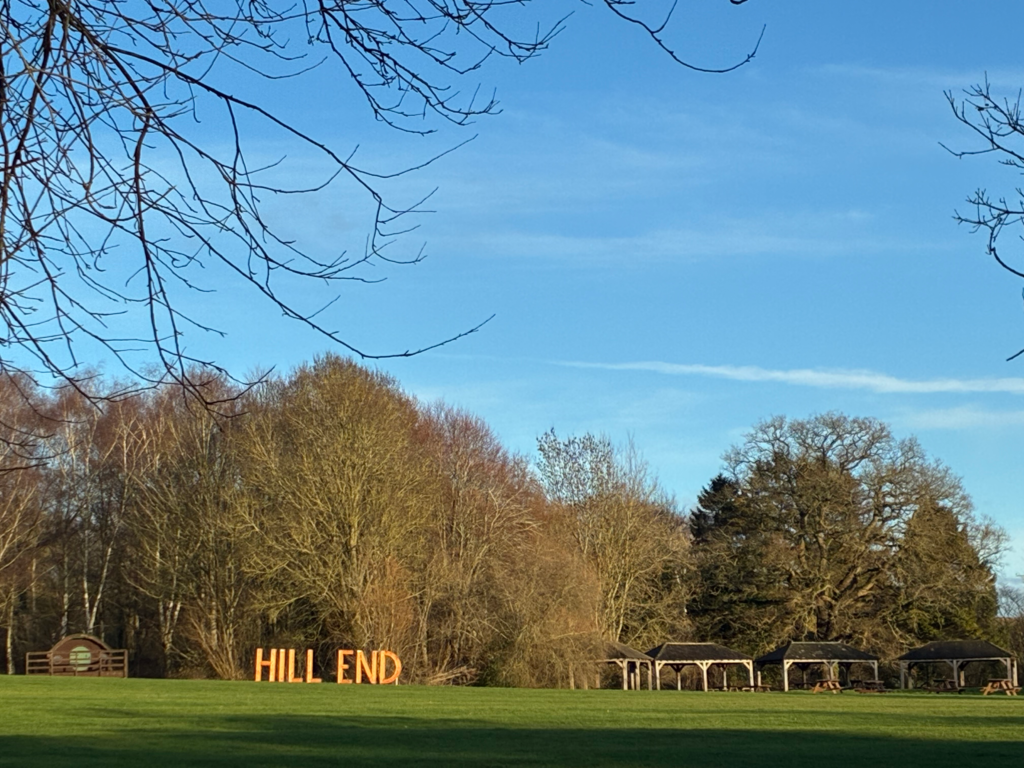
The place has an abundance of old-fashioned charm, lots of wooden signposting, low rise agricultural buildings converted into dormitories and wet weather classrooms, and this being a rain-soaked day, muddy paths leading in all directions. But the overwhelming feeling is one of space. “We’ll need macs and wellies,” enthuses Director Lucy Crittenden as we head out and around the wide-open field with the iconic Hill End sign, spelled out in huge wooden letters at one end. Up the hill skirting some dense woodland, through green pastures full of grazing sheep and past that ring of wooden toadstools (still here). And at last we reach what is known as the ‘High Dormitory’ – a long chalet built from cedar wood shingles, “patched up over the years but now needing some renovation,” says Lucy. It is wonderfully atmospheric, the inside kitted out with wall-to-wall single metal bedsteads, and though it is too cold at this time of year for overnight children, we are surrounded by their ghostly whispers, high pitched with excitement, away from home, at night, in what seems like the middle of nowhere. And as we take in the panoramic views towards Boars Hill and Farmoor Reservoir from the huge windows, Lucy fills me in on how it all began.
Hill End was once a farm on the Wytham Estate belonging to the Earls of Abingdon; Wytham Abbey and woods are on the north side of the hill, still only accessible by foot. During WW1 the land was used to train local soldiers (the practice trenches are still accessible on special ‘history days’) and it was then that Colonel Raymond ffennell first set eyes on the place and fell in love with it. He had recently returned to England from South Africa a wealthy man, bringing with him his wife Hope and daughter Hazel. Born Schumacher, (a German name was not popular at the time so they changed it) Raymond was able to buy the estate in 1920, and as there were still tenants in the big house, he and the family set up camp during the summer months on the site that later became the dormitory in which we are standing. In his day the tents were heated and fully furnished like a military officer’s campaign accommodation. Hazel wrote in her teenage diaries, ‘when I entered at the tiny door, I was literally amazed. A perfectly lovely room confronted me, yellow walls, red carpet, refectory tables, a sideboard and other furniture.’
When in 1926 they were able to move into the Abbey, Raymond, believing in a more holistic approach to education, invited small groups of local school children at first and later from the poorer areas of Birmingham and the East End of London to come with their teachers to spend time in nature, immersing themselves in the idyllic surroundings of his estate. They mostly came for the day, but he also encouraged the schools to book in for two-week residential trips, believing that the open air was the best treatment for TB – these being the days before antibiotics. The children were given clogs to wear in the summer and wellington boots in the colder months, and in 1932 the open-air swimming pool was opened, (now rewilded and open for pond dipping). In the school holidays, scouts, guides and other groups set up tents and used the facilities.
Hazel loved the life here. She surrounded herself with animals; Sir Rikki the meerkat, two dogs called Flick and Floss, Marigold and Starlight her miniature ponies and an aviary was built for her birds, including a flock of white doves that she trained to perform Cinderella at charitable tea parties. Two of the outbuildings still very much in use are named Blue Dragon and Green Dragon after her pet chameleons. And Wytham became a stage set for the silent movies in which her menagerie of animals all starred. The medieval pageant, ‘The Days of Chivalry’ centred around the kidnap of her pet pigeon Fray was quite favourably received. The people from Wytham Village were commandeered as extras.
But it was not to last. In 1939 at the age of 34 Hazel died. Well loved by the locals, the whole village came out for her funeral. And Raymond and Hope having no other children decided to bequeath the Wytham Abbey Estate to the University in her memory. The Deed of Covenant in 1942 stipulated that the woodland be known as the ‘Woods of Hazel’, and the 1,000 odd acres be used for scientific study, (since becoming one of the most researched pieces of woodland in the world.) Hill End was to run as an outdoor education centre, at first managed by Oxford City Council, then the County Council and since 2017 by a charitable trust.
Lucy tells me that Hill End is the second-best place in the county after Port Meadow to spot dung beetles. In the summer the hills are awash with butterflies and moths. There are slowworms and grass snakes, and rare orchids. Even on a cold wet day like today swathes of snowdrops push up through the grass, and catkins form canopes above the wooded pathways. To be here amongst it all, to see it, handle it, hear it, smell it must be intoxicating for a child.
And it is those memories, from the many generations of children that have spent time here that the Trust are keen to record in this their centenary year. I meet two of them Alan and Margaret Trinder, both now in their 90’s. Alan came twice as a child. Once with the scouts in 1944 when he slept in a bell tent and remembers swimming in the pool.
“It was a dark green colour so you couldn’t see the bottom,” he grins. “But we didn’t mind because were were used to swimming in the river.” Then there was paper chase, stick whittling, and best of all “singing around the camp fire in the evening”.
He came again in 1950 as a teenager with his local youth club, when they made javelins out of hazel and had competitions to see who could get them the farthest. “Then someone had the bright idea of seeing if they could get them to go over the top of the dormitories” he laughs, remembering as though it was yesterday. “Some did, some didn’t. But the ones that didn’t ended up sticking into what were then the wooden tiles on the roof.”
On my way out I pass a group of children that come every week to learn amongst the leaves. They are toasting marshmallows on an open brazier in the woods, before they head home, muddy but rosy cheeked from an afternoon in the open.
“As we drove up Wytham Hill the sun was high up in the heavens and we crept into bed feeling like nothing on earth” wrote Hazel ffennel in her diary all those years ago. “There is a certain airlessness about my life in town which makes me sadly long for the free and rugged life on Wytham Hill.”
I am sure today’s children would agree.
You can help support the work at Hill End here
Or you can record your memories of the place here
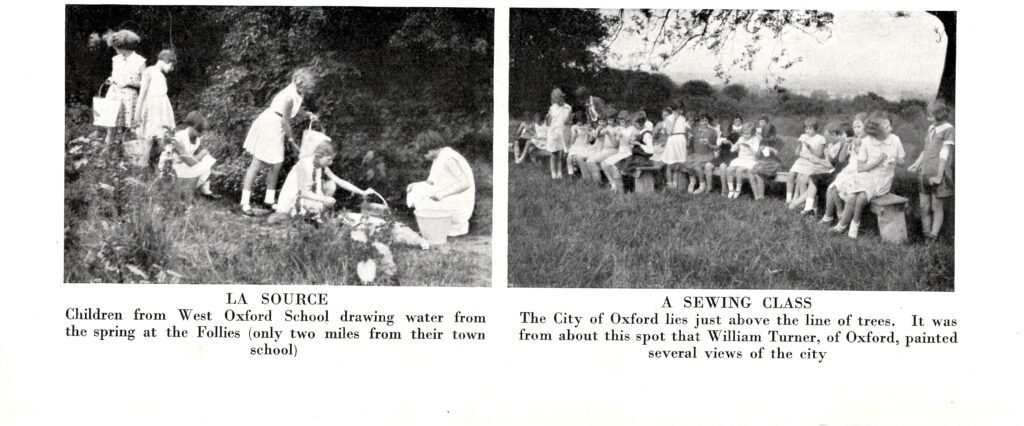
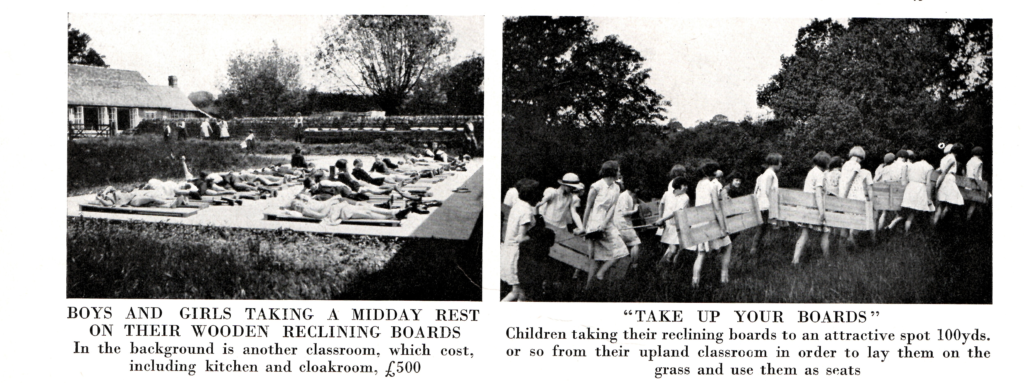
Pictures from an article by Raymond ffennel published in Country Life Magazine August 1932
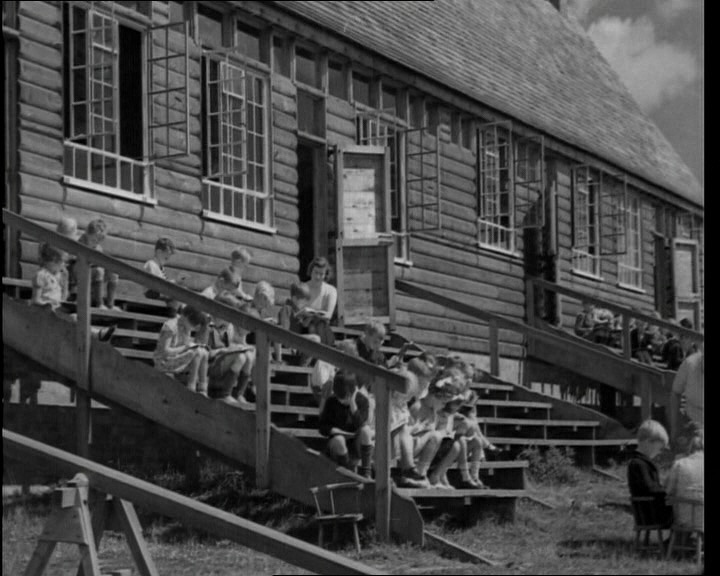
The High Dorm, as it was in the 1930’s. There was no fencing around it so cows would regularly take shelter directly under the floorboards, the lowing of the cows lulling the children above to sleep. The roof often let in water in those days.
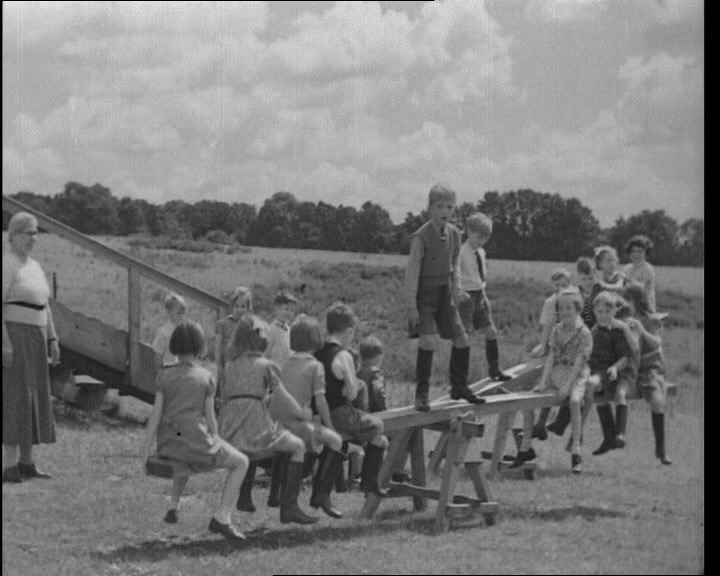
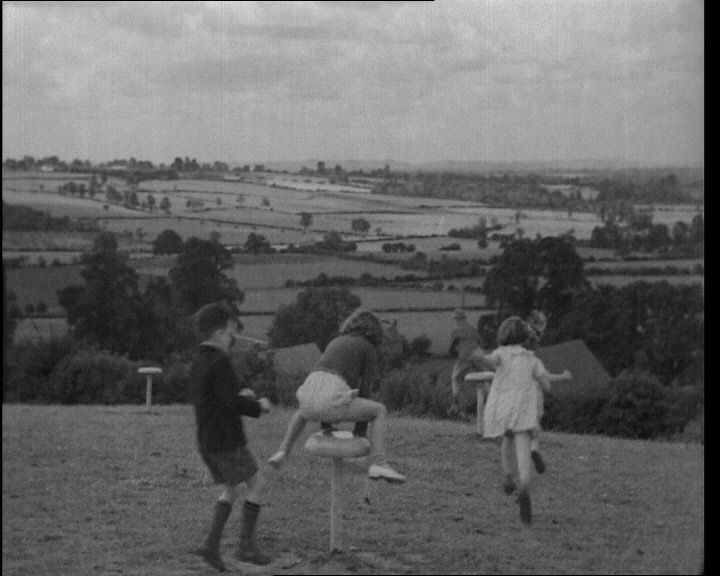
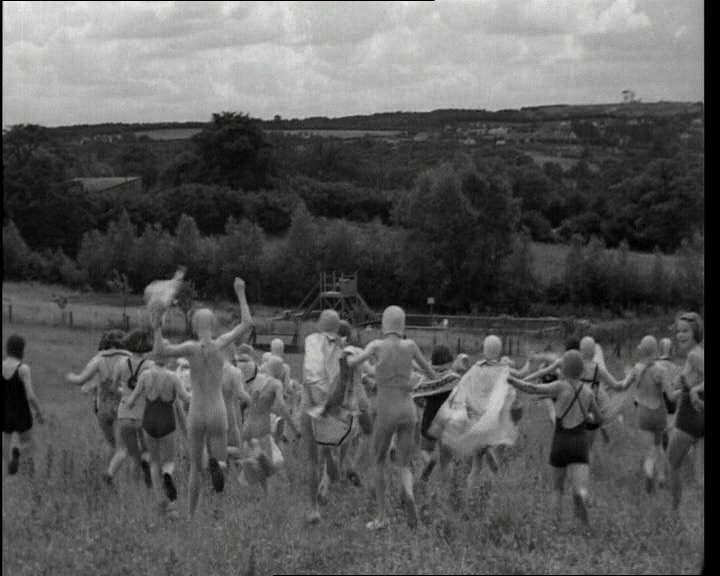
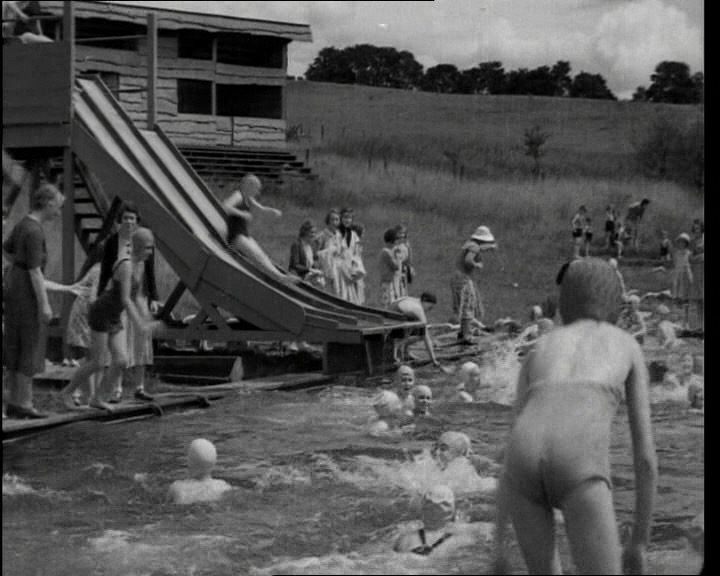
The above still pictures are taken from the Pathé news film which you can find here
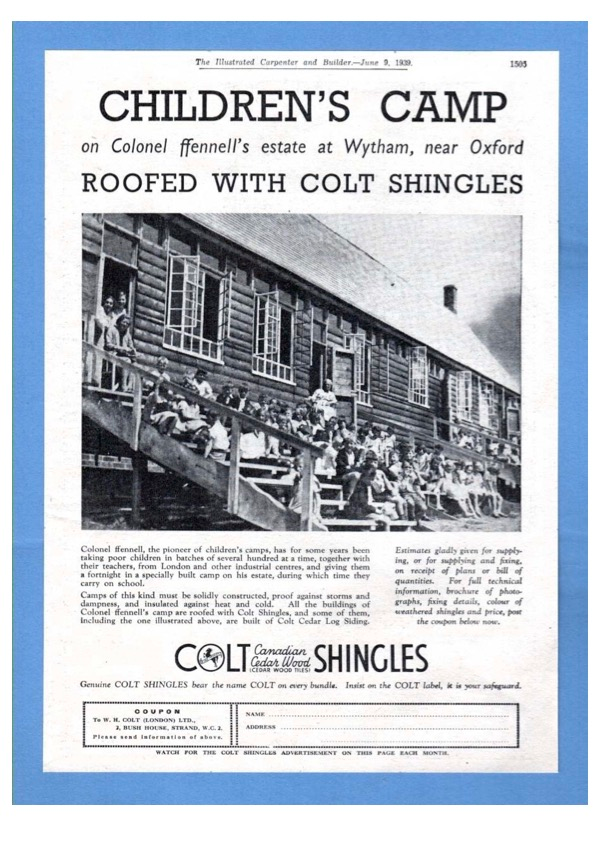
The High Dormitory roofed with Colt Shingles – which Alan Trinder and friends used for javelin practice.
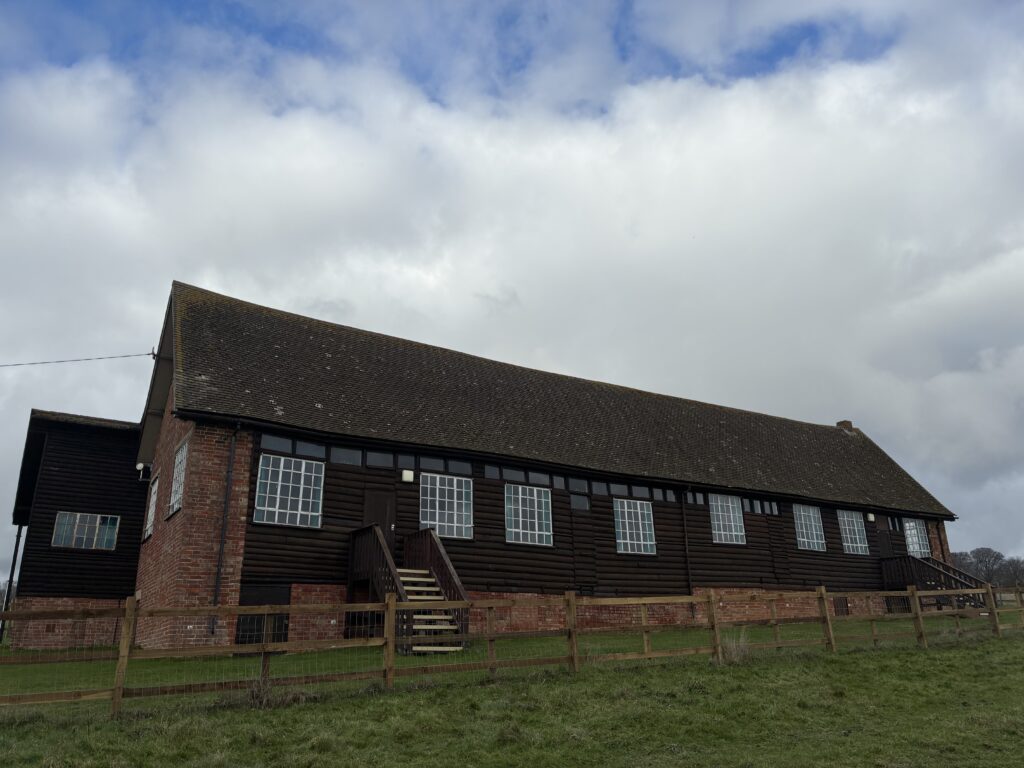
The High Dormitory as it is today – still with its cedar panels and shingles. “The view, when its dark at night, it feels like you are in nature, far away from phones and TVs,” says Lucy.
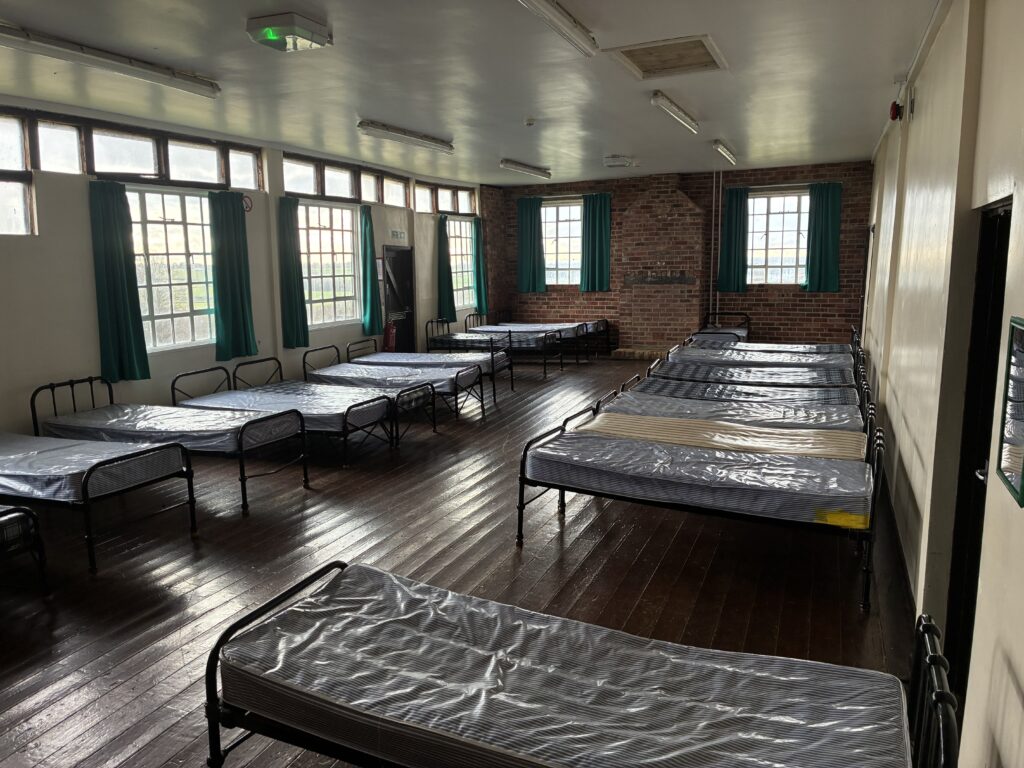
The dorms
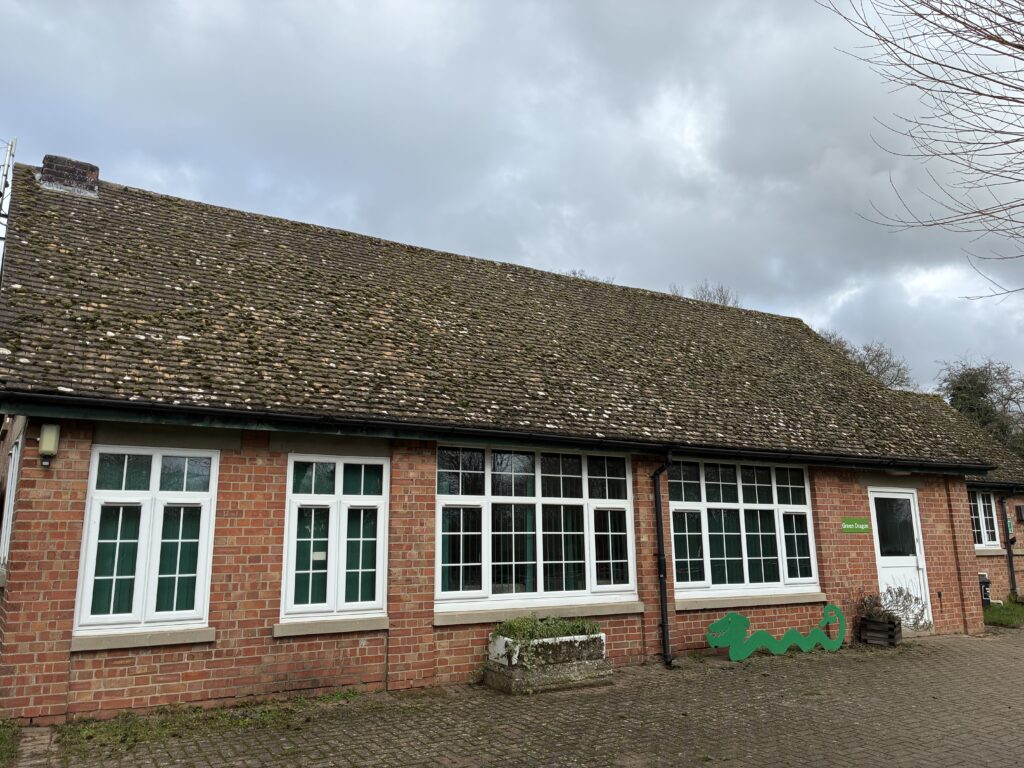
Green Dragon – the building named after Hazel’s pet chameleon Marmaduke. The original green boot scraper designed by Hazel is still in place.
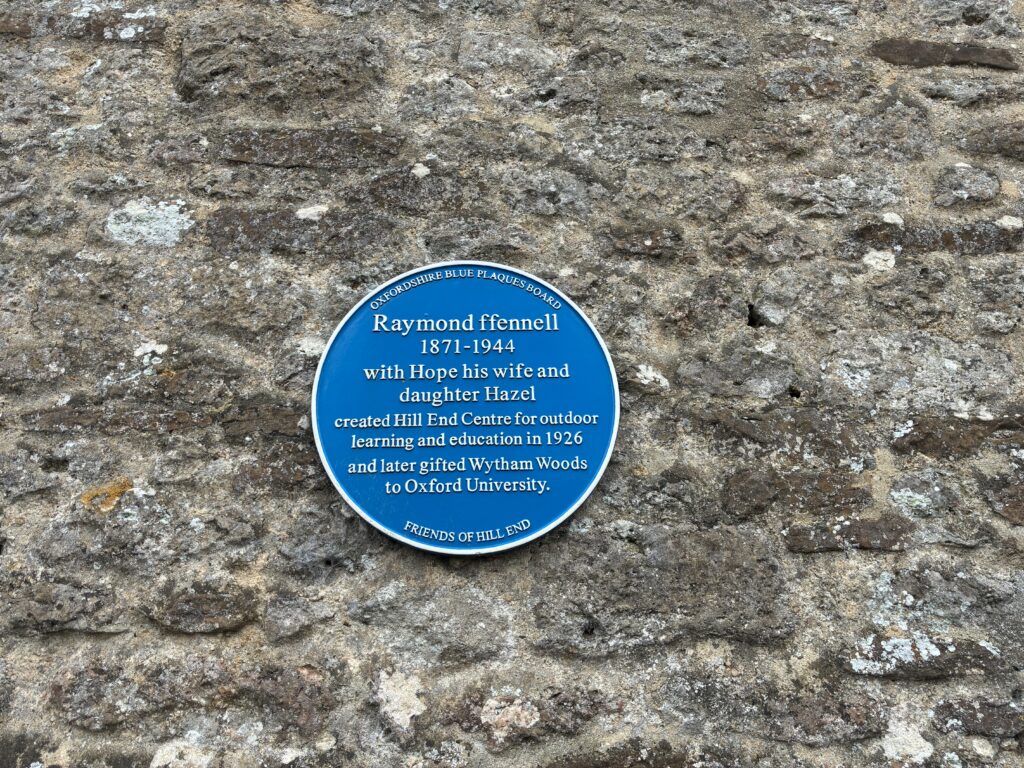
The blue plaque on the wall of the old coaching barn, now used as a classroom.
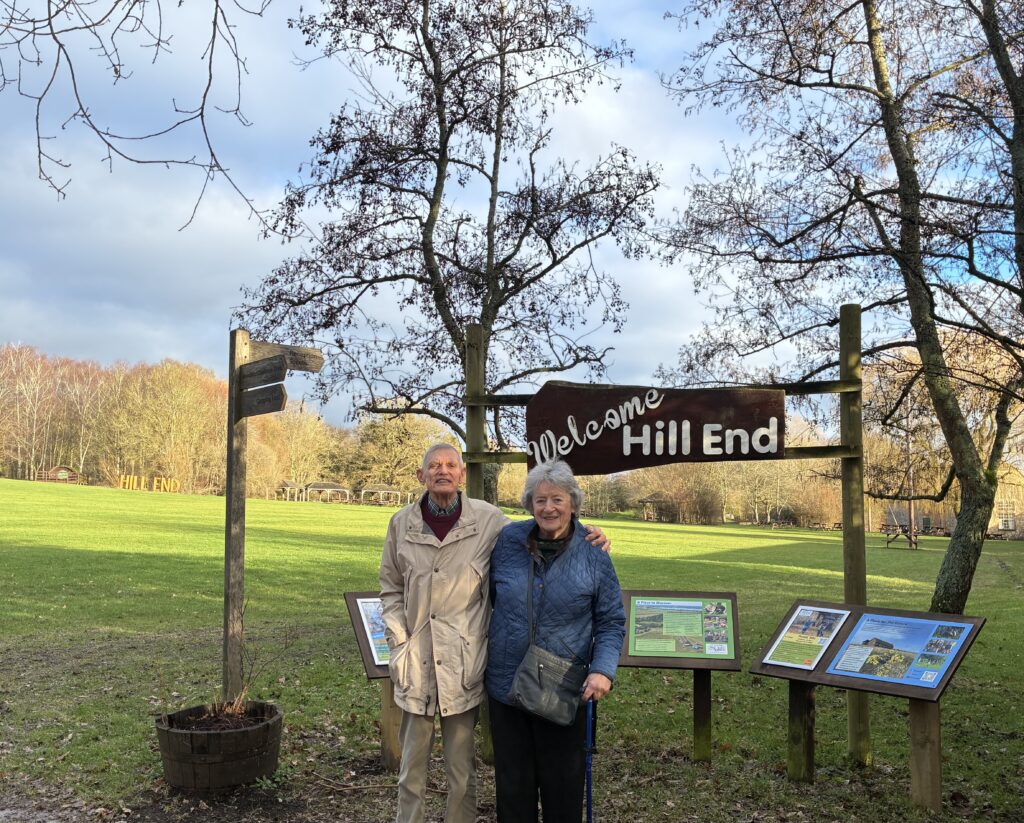
Alan and Margaret Trinder both came to Hill End when they were growing up in Oxford, though this wasn’t where they met (which was at the Oxford School of Dancing opposite the New Theatre on George Street). Alan’s grandfather was born at Hill End when it was still a farm, and later worked here as a farm labourer before becoming an itinerant preacher. Alan’s father was the eighth of ten children – the eldest of which, bought a house in Poole which she called ‘Hill End’, presumably after happy memories of the place . Alan remembers the visit he made with the scouts in 1944 was his first away from home. He still has the letters he wrote home saying how homesick he was. The second trip was with his youth club and there were girls. “The dorms were divided down the middle for girls and boys. But the wooden divisions didn’t go up to the roof. In between was barbed wire columns,” he remembers. “One of our members managed to get through anyway – don’t know what he got up to. He was always up to mischief. But we were all hoping for closer liaisons with the opposite sex.”
Margaret remembers coming here with a group of German boys in 1952. Oxford was already twinned with Bonn then so this was not unusual.
“The kind of life Hazel led at Wytham was the kind of life we always wished for her. At Wytham she came into the wilder kingdom of the wild creatures, the birds, the wild flowers and the trees of the English countryside at its best.” From The Happy Journey by Hope ffennell.
You might also like to read:
4 Comments
Join the discussion and tell us your opinion.
Another brilliant Sunday sausage. I look forward to it even more than my husband looks forward to bin day every Thursday. As usual, this one made me wonder. I wondered and googled how Colonel Ffennell aka Raymond Schumacher had accumulated enough money to buy the Wytham Estate. First by managing deep gold mines in S. Africa (and fighting to defend them against the Boers) and then by developing property in Parktown, still one of Johannesburg’s wealthiest and most prestigious suburbs. He was an old Harrovian and his Jewish father had sworn an oath of allegiance to the English crown in 1903, so it was ironic that anti-German sentiment forced him to leave South Africa with Hope and Hazel during WWI.
Lots of happy memories of Hill End, St Ebbes church girls club used to go for a week or so in the summer. it always seemed so far away even though it was just up the road
Back in the 70s and 80s as a teenager through til I got married in 86 I volunteered here for a week each August on a camp for the ‘Underprivileged’ as it was then known. It was usually as fun for us helpers as the kids. We swam, played outdoor games and put on daft shows. Usually involving the male volunteers dressed in drag singing a ridiculous song or two. The sun always shined of course.
Amazing, and poignant to think that Hazel died so young!